



Amisfield, Canada, Central Otago, Main Divide Wines, Mansion House Bay, Marlborough, Marlborough, New Zealand, New Zealand Wines, New Zealand wines, Niagara, Pegasus Bay, Pinot Noir, Queenston, Red wines, Waipara, Whitehaven Wines, Wines from Canada
Pinot Noir Day: From the Monasteries of Burgundy to New Zealand and Canada

Aug
The eventful history of one of the world’s oldest grape varieties
On August 18, the wine world will be focused on a single grape variety: Pinot Noir. Whether as an elegant wine from New Zealand’s cool, high-altitude vineyards in Central Otago or as an up-and-coming wine from Canada’s Niagara Peninsula, hardly any red grape variety has a history as long and eventful as this one. Its roots date back to the Middle Ages, when Burgundian monks cultivated it in the vineyards of the Côte d’Or.
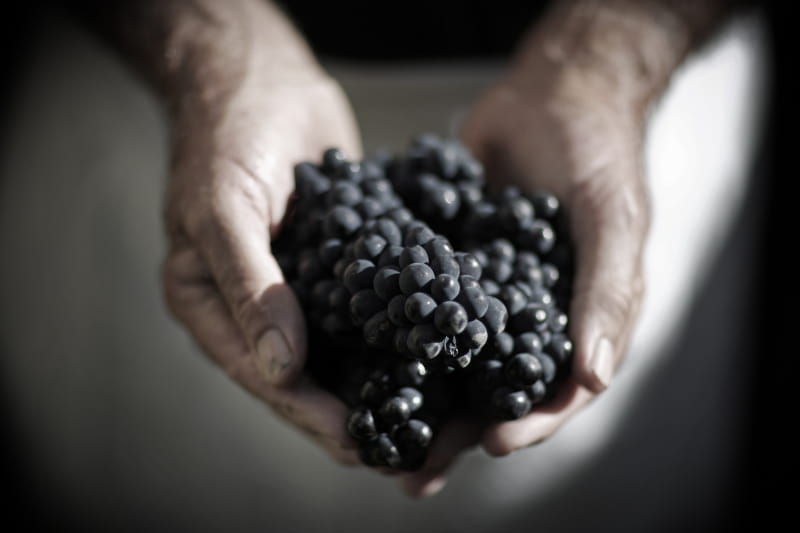
From there, it set out on its journey around the world and has now found a second home in the cool climates stretching from Oregon to Otago. Every year, Pinot Noir Day serves as a reminder of just how demanding, versatile, and fascinating this grape variety is. We’re using this occasion to kick off a themed week that compares New Zealand and Canada.
Why is there a Pinot Noir Day?
Since the late 1980s, August 18 has become established in the international wine world as an informal holiday celebrating Pinot Noir. In hindsight, it is no longer possible to clearly identify a single founder or official organization; rather, the day emerged organically from the community of winemakers, sommeliers, and wine lovers.

What matters is the idea behind it. Pinot Noir is considered one of the most capricious yet elegant grape varieties of all. It is sensitive to soil, climate, and even the slightest intervention in the cellar, and it is precisely this sensitivity that makes it a real challenge for winemakers worldwide and a grape variety with many different facets for wine lovers. Pinot Noir Day celebrates this diversity and invites you to directly compare Pinot Noirs from different regions.
The History of Pinot Noir: From Burgundy to the World
Pinot Noir is one of the oldest cultivated grape varieties in Europe. Experts believe the variety existed as early as 2,000 years ago; it was first mentioned in writing in 1283 under the name Moreillon in a document from Beauvais in northern France. However, its true home is in Burgundy, more specifically in the region between Lake Geneva and the Rhône. There, Cistercian and Benedictine monks were already cultivating the variety in the vineyards of the Côte d’Or as early as the Middle Ages, thereby laying the foundation for its reputation as the queen of red grape varieties.

Under Duke Philip the Good, Pinot Noir was declared the only officially authorized red grape variety in Burgundy in the 15th century, a distinction that has shaped its unique status to this day. For centuries, the variety remained closely associated with Burgundy and neighboring regions such as Champagne, where it is one of the three permitted grape varieties used in the classic cuvée. In Germany, it is known as Spätburgunder and has been one of the country’s most important red grape varieties for centuries.
Pinot Noir began its journey to the New World primarily in the 20th century. Pioneers such as David Lett, who planted the first Pinot Noir vines in Oregon’s Willamette Valley in 1965 and founded Eyrie Vineyards—one of the premier producers of this grape variety outside of Europe—proved that Pinot Noir can thrive in cool climates even far from Burgundy.
New Zealand followed suit in the 1980s and 1990s with its first serious Pinot Noir projects in Martinborough and, shortly thereafter, in Central Otago, the world’s southernmost wine-growing region. Canada, too, has discovered the variety’s potential in recent decades, particularly in the cool, maritime-influenced regions of the Niagara Peninsula.
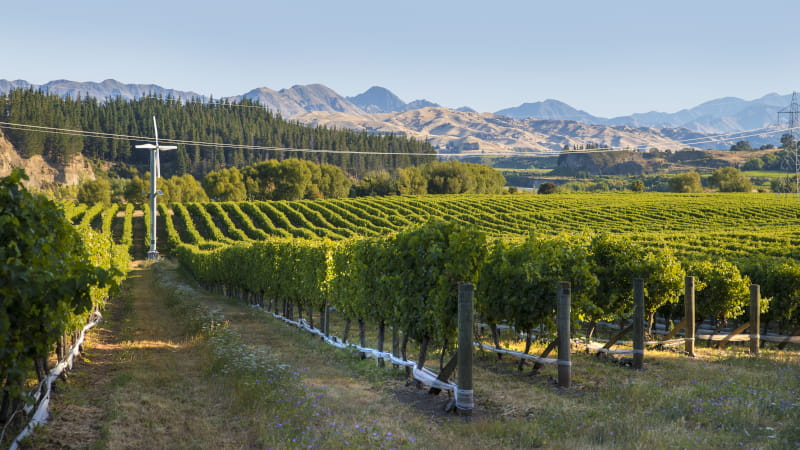
New Zealand Joins the Celebration: The Official Pinot Noir Campaign
New Zealand Winegrowers, the country’s winegrowers’ association, is also making Pinot Noir Day the focus of its own international campaign this year. Charlotte Read, General Manager of Brand at New Zealand Winegrowers, sums it up: “New Zealand Pinot Noir is celebrated for its purity, vibrancy, and sense of place, offering bright fruit, natural freshness, and elegant structure.” For New Zealand, Pinot Noir is far more than just one grape variety among many: it is the country’s most important red wine export. New Zealand wine is now exported to over 100 countries, and in 2025 alone, wine exports totaled 2.10 billion New Zealand dollars.
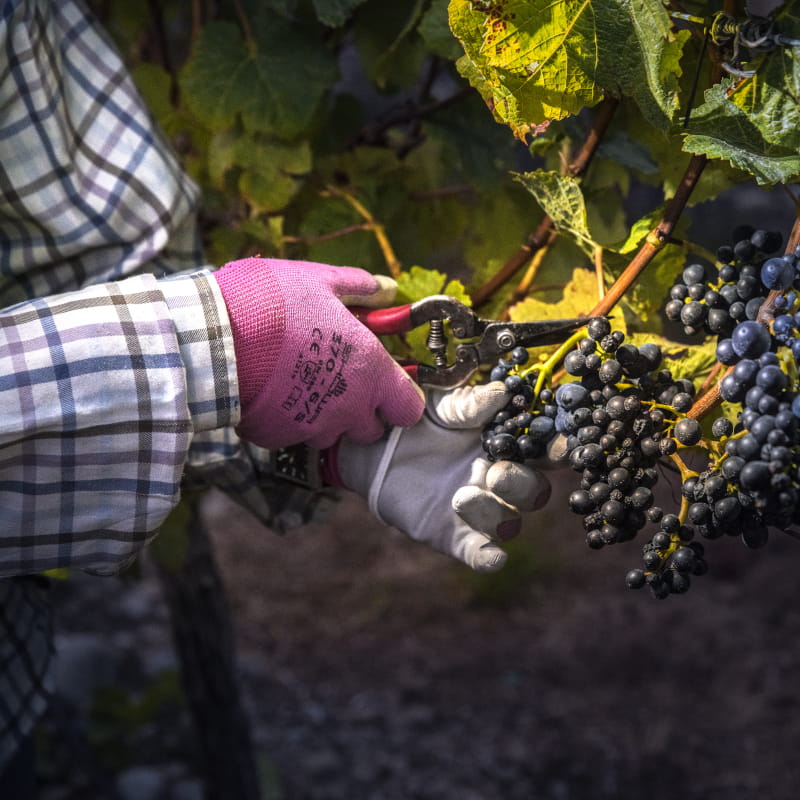
To celebrate Pinot Noir Day, New Zealand Winegrowers is calling on wine lovers around the world to share their own “Pinot Moment” using the hashtags #LoveNZPinot, #NZWine, and #PinotNoirDay—an initiative we’re deliberately building on with our own campaign.
Pinot Noir at Cellardoor24: New Zealand Meets Canada
At Cellardoor24, we’ve deliberately chosen to feature a side-by-side comparison for Pinot Noir Day. Over the next few days, we’ll be showcasing how differently this grape variety expresses itself within New Zealand alone—from the spice of Central Otago to the fruitiness of Marlborough and the minerality of the Waipara Valley. From Canada, we’ll pair that with an elegant Pinot Noir from the Niagara Peninsula. Through August 20, you’ll also receive a 15 percent discount on our selected Pinot Noirs. Be sure to check out our blog and social media over the next few days—we’ll take you on a journey from Burgundy to the cooler regions of the New World.
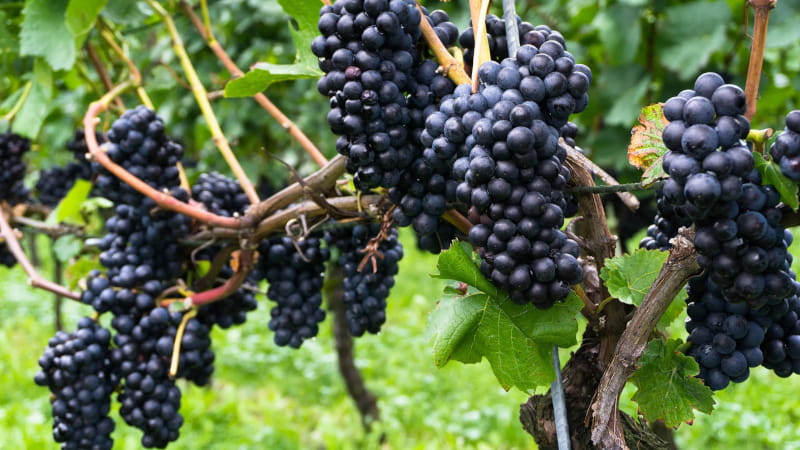
Feel free to share your own Pinot Noir moment using #LoveNZPinot, #NZWine, and #PinotNoirDay—the whole wine world is celebrating today with these hashtags.
