



Grape Varieties, Wine regions, Wine types, Wines from Australia
The 10 Best Wines of Australia

Aug
Table of contents
- 1. Welcome to the World of Australian Wines
- 2. Adelaide Hills Chardonnay
- 3. Barossa Valley Shiraz
- 4. Clare Valley Riesling
- 5. Coonawarra Cabernet Sauvignon
- 6. Hunter Valley Semillon
- 7. McLaren Vale GSM (Grenache, Shiraz, Mourvèdre)
- 8. Margaret River Sauvignon Blanc
- 9. Yarra Valley Pinot Noir
- 10. Tasmania Sparkling Wines
- Conclusion: The Best Wines from Australia
1. Welcome to the World of Australian Wines
Australia, a country known for its stunning landscapes and diverse culture, has emerged as a significant player in the global wine market over the past few decades. The wine culture in Australia is rich and varied, shaped by a long history and innovative techniques that result in exceptional wines.

1.1. Short introduction to Australia’s wine culture
The wine culture in Australia began in the early 19th century when the first European settlers brought grapevines to the land. Since then, wine production has developed significantly, and today Australia is the fifth-largest wine producer in the world. With approximately 146,000 hectares of vineyard area, Australia ranks eleventh among the largest wine-growing countries globally.
Australian winemakers have earned a reputation for their willingness to experiment and innovate, combining traditional European winemaking techniques with cutting-edge technology.
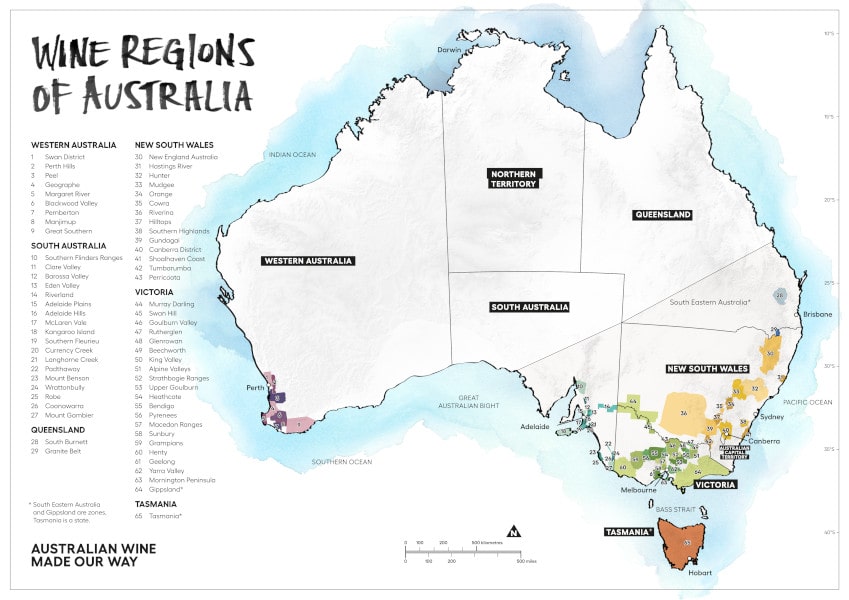
The Land Down Under boasts one of the most diverse wine scenes in the world. More than 100 grape varieties are cultivated in 65 wine regions, mostly located in the southeast and southwest of the continent. This diversity presents a wide range of wine choices for both novices and connoisseurs.
From fresh, crisp white wines to full-bodied, robust red wines, the country offers an impressive array that appeals to many wine enthusiasts. A few years ago, wines from Down Under were still considered exotic on the wine shelves, but today they are globally recognized and popular. Australian wines can now be easily purchased in brick-and-mortar wine shops or ordered online.
1.2. Why Australian wines are valued worldwide
There are several reasons why Australian wines are so highly regarded worldwide. One of the main reasons is the diversity of climatic conditions and soil types in the various wine regions of Australia. This diversity allows for the cultivation of a wide range of grape varieties, each with unique characteristics and flavor profiles.
Australian wines are generally straightforward, quickly accessible, and pleasing to the palate. A common philosophy among producers is that these wines should be “easy to drink” and “fruit-driven.” Harsh acidity and strong tannins are typically absent from these wines.

Australian wines are also known for their high quality and consistency. Strict quality controls and advanced winemaking techniques ensure that Australian wines consistently receive excellent reviews and win awards at international wine competitions.
Additionally, Australian wines offer excellent value for money. Many of the best Australian wines are available at affordable prices, making them appealing to wine lovers around the world.
1.3. Overview of the most important wine regions, wine styles and grape varieties
Australia is divided into several significant wine regions, each known for specific grape varieties and wine styles. But where is wine produced in Australia? What are the best wines of Australia? Here is my subjective selection of region-typical Australian wines and wine types that I highly recommend you try.
- Barossa Valley: Famous for its Shiraz, the Barossa Valley offers some of the best red wines in Australia. The region’s old vines and warm climate contribute to the production of full-bodied, complex wines.
- Adelaide Hills: This cooler region is renowned for its top-notch Chardonnay and Pinot Noir. The high altitude and moderate climate create ideal conditions for growing white wines and lighter red wines.
- Clare Valley: The Clare Valley is known for its dry Riesling, distinguished by its vibrant acidity and mineral notes. This region produces some of the best Rieslings in the world.
- Coonawarra: Famous for its Cabernet Sauvignon, Coonawarra is characterized by its unique Terra Rossa soils, which impart a distinctive character to the wines.
- Hunter Valley: This historic wine region is known for its Semillon, valued for its aging potential and complex, honeyed aromas.
- McLaren Vale: This region is known for its versatile red wines, particularly GSM blends (Grenache, Shiraz, Mourvèdre). The Mediterranean climate favors the cultivation of these grape varieties.
- Margaret River: Margaret River is one of the top regions for Sauvignon Blanc and Chardonnay. The proximity to the ocean provides a cool climate, giving the wines refreshing acidity and vibrant fruit flavors.
- Yarra Valley: This region is known for its Pinot Noir and Chardonnay. The cool climate and varied soil types allow for the production of elegant and complex wines.
- Tasmania: Tasmania has made a name for itself with high-quality sparkling wines. The cool climatic conditions are ideal for producing sparkling wines using the traditional method.
These regions and their characteristic grape varieties are a testament to the diversity and quality of Australian wines. Whether you’re a fan of robust red wines, refreshing white wines, or elegant sparkling wines, you’re sure to find a wine in Australia that suits your taste.

Australian wines are a true treasure for wine lovers around the world. Their diversity, high quality, and excellent value for money make them a popular choice. By exploring the different wine regions and grape varieties of Australia, you can fully enjoy the rich and varied wine culture of this fascinating country. Whether you’re an experienced connoisseur or a curious beginner, Australian wines offer something special for every palate.
2. Adelaide Hills Chardonnay
2.1. Adelaide Hills – oasis and retreat from the heat
The Adelaide Hills, one of the most prominent wine regions in South Australia, is just a short drive from the city of Adelaide. This region, characterized by its gentle hills and picturesque landscapes, is renowned for its outstanding wines, particularly its Chardonnay. The vineyards of the Adelaide Hills are situated at elevations between 400 and 700 meters above sea level, providing them with a unique climatic diversity.

The Adelaide Hills wine region is famous for its high-quality wines, benefiting from a cool climate and diverse soil types. The elevation and proximity to the coast ensure cool nights and moderate days, creating ideal conditions for growing Chardonnay. This combination of climate and soil allows the grapes to ripen slowly, developing complex aromas and balanced acidity.

2.2. Climatic conditions and their influence on Chardonnay
The climatic conditions in the Adelaide Hills are crucial for the quality of the Chardonnay produced here. The region’s cool climate extends the growing season, allowing the grapes to fully develop their flavors and acids. This results in a Chardonnay that is distinguished by its freshness, vibrancy, and complexity.

Winters in the Adelaide Hills are cold and wet, while summers are mild, making it an ideal region for cultivating white wine grapes. The cool nights help preserve the natural acidity in the grapes, while the warm days ensure that the grapes fully ripen. These conditions contribute to a Chardonnay from the Adelaide Hills that achieves a perfect balance between freshness and ripeness.
2.3. Taste and aroma of Adelaide Hills Chardonnay
Adelaide Hills Chardonnay is known for its vibrant and fresh aromas. It typically features notes of citrus fruits like lemon and lime, combined with stone fruits such as peach and nectarine. Some Chardonnays from this region also exhibit subtle floral notes and a mineral freshness.
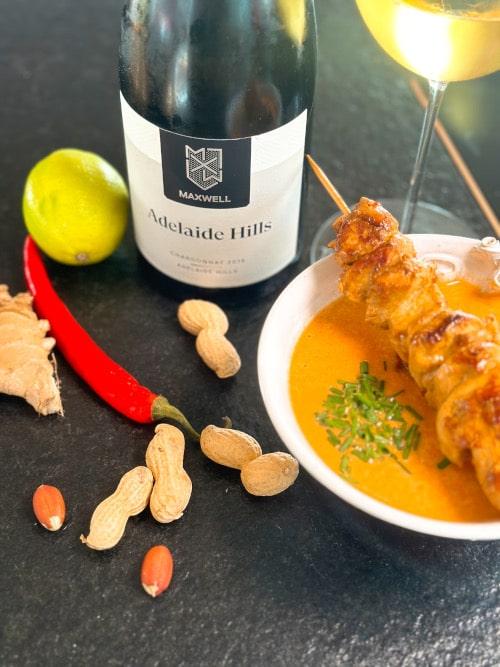
On the palate, Adelaide Hills Chardonnay presents a lively acidity, complemented by a creamy texture and a long finish. Some winemakers choose to age their Chardonnays in oak barrels, adding additional flavors of vanilla, butter, and roasted nuts. These wines are often well-structured, offering a balanced interplay between fruit, acidity, and oak.
2.4. Recommended wineries and vintages
The Adelaide Hills is home to many renowned wineries that produce top-notch Chardonnay. Here are some of the best wineries and their standout vintages:
- Shaw + Smith: This winery is a pioneer in the Adelaide Hills, known for its elegant and refined Chardonnay. Recommended vintages are 2016, 2017, and 2019.
- Penfolds: Famous for its red wines, Penfolds also produces an excellent Chardonnay from the Adelaide Hills. The “Bin A Chardonnay” is an outstanding example, particularly the 2017 and 2018 vintages.
- Petaluma: Petaluma’s Adelaide Hills Chardonnay is known for its depth and complexity. Notable vintages are 2015 and 2017.
- Ashton Hills: Another remarkable winery, known for its high-quality Chardonnays. Recommended vintages are 2016 and 2018.
- Bird in Hand: This winery has quickly made a name for itself, producing premium Chardonnay. The 2017 and 2019 vintages are particularly recommended.

Adelaide Hills Chardonnay is an excellent choice for wine lovers seeking a fresh, vibrant, and complex white wine. The combination of a cool climate, meticulous winemaking, and the passion of the winemakers ensures that these wines rank among the best Chardonnays in Australia. Whether enjoyed on its own or paired with a fine meal, Adelaide Hills Chardonnay is sure to exceed your expectations.
3. Barossa Valley Shiraz
3.1. Barossa – wine region with rich tradition
The Barossa Valley, one of Australia’s most well-known and prestigious wine regions, is located in the state of South Australia, about an hour northeast of Adelaide. This region is the heart of the Australian wine industry and enjoys an excellent global reputation for its outstanding wines. The Barossa Valley is particularly famous for its Shiraz, which ranks among the best in the world.
With a winemaking history dating back to the 1840s, the Barossa Valley has developed a rich tradition and expertise in winemaking.
The region is characterized by a warm Mediterranean climate, with hot, dry summers and mild winters. These conditions are ideal for producing robust red wines such as Shiraz. The soils in the Barossa Valley are diverse, with a mix of clay, sandy loam, and gravelly soils, adding complexity to the wines.

3.2. Special features of the Old Bushwine Shiraz
Barossa is home to some of the oldest continuously growing Shiraz, Cabernet Sauvignon, Mataro, Grenache, and Riesling vines in the world, dating back to the 1840s.
Old Bushvine Shiraz is a special category within Barossa Valley Shiraz.

“Old Bushvine” refers to vines that grow in a bush-like shape and are typically over 50 years old. These ancient vines, often over 100 years old, have deep roots and produce grapes of exceptional quality. The deep roots allow these vines to efficiently access water and nutrients, even in dry years, resulting in concentrated and intense wines.
Old Bushvine Shiraz is produced in limited quantities, making it particularly exclusive and sought-after. The low yields of these old vines contribute to a higher concentration of flavors and tannins, making these wines especially complex and suitable for aging. The winemaking process is often traditional, with minimal intervention, to preserve the authentic character of the grapes and terroir.

3.3. Flavour profile and storage potential
Barossa Valley Shiraz, especially Old Bushvine Shiraz, is known for its rich and complex flavor profile. It typically exhibits intense aromas of black fruits like blackberry, plum, and black cherry, accompanied by notes of chocolate, coffee, spices, and sometimes a hint of eucalyptus. The wines are full-bodied, with a firm tannin structure and a long, velvety finish.

Aging in oak barrels, both American and French, adds additional flavors of vanilla, smoke, and leather to the wine. This wine has impressive aging potential; well-made Barossa Valley Shiraz can easily age for 10 to 20 years or more. Over time, they develop more complex aromas and an even smoother texture, making them a highlight of any wine collection.

3.4. Renowned producers and their outstanding wines
The Barossa Valley is home to many renowned wineries that produce some of Australia’s best Shiraz wines. More than 170 wineries are scattered across the beautiful hills and valleys. Here are some of the outstanding producers and their notable wines:
- Penfolds: Penfolds is one of Australia’s most famous wineries, producing some of the country’s most iconic wines. The Penfolds Grange, a world-class Shiraz, has won numerous international awards and is a must-try for any wine lover.
- Henschke: Henschke, a family-run winery, is renowned for its Hill of Grace Shiraz. These single-vineyard wines come from very old vines and are known for their exceptional quality and complexity.
- Torbreck: Torbreck Vintners produces some of the finest Shiraz wines in the Barossa Valley. The Torbreck RunRig Shiraz is an outstanding example, known for its depth, intensity, and elegance.
- Peter Lehmann: Peter Lehmann Wines is another prestigious producer, famous for its Stonewell Shiraz. This wine exemplifies the typical power and finesse of Barossa Valley Shiraz.
- Lindsay Wine Estate: The winery can look back on an eventful history dating back to its foundation in 1844 by Scottish settlers. The Barossa Valley Shiraz ‘The Selector’ is outstanding, an expressive wine with a harmonious combination of fruit, flavour and elegance.
- Rockford: Rockford Wines, a traditional winery, produces the famous Rockford Basket Press Shiraz. This wine is made in small batches and is known for its balance and concentration.
- Seppeltsfield: Seppeltsfield is known for its long-lived and complex Shiraz wines. The Seppeltsfield Para Grand Shiraz is an excellent representative of this category.
Barossa Valley Shiraz, particularly Old Bushvine Shiraz, is an exceptional wine that embodies the best qualities of Australian winemaking. With its intense fruit, complex aromas, and impressive aging potential, it is a must-have for any wine enthusiast and a valuable addition to any wine collection. Whether you enjoy it now or save it for future occasions, this wine is sure to impress.
4. Clare Valley Riesling
4.1. Clare Valley – The cool perl in the Mount Lofty Mountains
The Clare Valley, one of Australia’s most significant wine regions, is located about 120 kilometers north of Adelaide in South Australia. This picturesque region spans around 4,000 hectares and is known for its scenic hills and valleys. The Clare Valley is unique in that it sits at an elevation of about 400 to 500 meters above sea level, resulting in cooler temperatures compared to the surrounding areas.
The climate in the Clare Valley is continental, with hot summers and cool nights. These temperature differences are ideal for growing Riesling, as they allow the grapes to retain their natural acidity while developing rich, complex flavors. The soils in the Clare Valley are diverse, ranging from red terra rossa to calcareous clay, which adds additional minerality and structure to the wines.

4.2. Characteristics of Clare Valley Riesling
Clare Valley Riesling is world-renowned and often considered one of the best Rieslings globally. The slate and limestone soils of the valley, combined with the cool nights, produce a very distinctive Riesling style. It is known for its exceptional purity and intensity. Typically, Clare Valley Riesling exhibits vibrant aromas of citrus fruits like lime and lemon, accompanied by green apple notes and a hint of floral accents such as jasmine and orange blossom.
On the palate, Clare Valley Riesling is dry, with crisp acidity that makes the wine fresh and lively. The minerality, often described as a “limestone character,” adds depth and complexity to the wine. These wines have remarkable aging potential; well-made Clare Valley Rieslings can age for decades, developing secondary aromas of honey, toast, and sometimes a hint of petrol, which further enhances their complexity.
4.3. Recommendations for dining accompaniments
Clare Valley Riesling is an extremely versatile wine that pairs beautifully with a wide variety of dishes. Its crisp acidity and fresh aromas make it a perfect choice for:
- Seafood: Riesling pairs excellently with oysters, shrimp, mussels, and grilled fish. The acidity of the wine highlights the fresh marine flavors and cleanses the palate.
- Asian Cuisine: The vibrant acidity and floral notes of Riesling harmonize well with the spicy and aromatic nature of Asian cuisine, particularly Thai, Vietnamese, and Chinese dishes.
- Light Salads and Appetizers: A simple salad with citrus dressing or light appetizers like goat cheese and crackers are wonderfully complemented by the freshness of Riesling.
- White Meats: Chicken, turkey, or pork, especially when prepared with light herbs or a citrus marinade, pair well with Riesling.
- Vegetarian Dishes: Vegetable dishes, especially those with herbs and citrus, pair excellently with Riesling.
4.4. Top wineries and award-winning vintages
The Clare Valley is home to some of Australia’s most renowned wineries, known for their exceptional Rieslings. Here are some of the best wineries and their outstanding vintages:
- Grosset Wines: Grosset is a pioneer in the Clare Valley, and their “Polish Hill Riesling” is legendary. Recommended vintages are 2016, 2017, and 2019.
- Jim Barry Wines: Jim Barry’s „The Florita Riesling“ ist ein Musterbeispiel für die Region. Besonders bemerkenswert sind die Jahrgänge 2015 und 2018.
- Pikes Wines: Pikes has been producing high-quality Riesling for generations. The “Traditionale Riesling” from the 2017 and 2019 vintages is especially recommended.
- Claymore Wines: Some of Claymore’s Riesling vines are over eighty years old. The 2021 and 2022 vintages are great.
- Skillogalee: This winery is known for its intense and aromatic Riesling. The 2016 and 2018 vintages are outstanding.
- Kilikanoon Wines: Kilikanoon’s “Mort’s Block Riesling” is another top contender, with the 2015 and 2017 vintages as special highlights.

Clare Valley Riesling is a prime example of the exceptional quality and diversity of Australian wines. With its vibrant flavor profile, versatility in food pairing, and impressive aging potential, it is a must for any wine enthusiast. Whether you enjoy it young and fresh or allow it to age over the years, Clare Valley Riesling will captivate you with its finesse and complexity.
5. Coonawarra Cabernet Sauvignon
5.1. The Coonawarra region and the Terra Rossa soil profile
The Coonawarra region, located in the southeast of South Australia, is one of the most esteemed wine regions in Australia. It is renowned worldwide for its exceptional Cabernet Sauvignon wines. Coonawarra spans a relatively small area, approximately 20 kilometers long and 2 kilometers wide, making it one of the smallest yet most significant wine regions.
What makes Coonawarra particularly special is its unique Terra Rossa soil profile. “Terra Rossa” means “red earth” and refers to the characteristic red clay soils that sit atop a limestone base. These soils offer excellent drainage properties while retaining enough moisture to sustain the vines during the hot summer months. The Terra Rossa soil profile is crucial to the quality of Cabernet Sauvignon wines from this region, as it helps the grapes develop their concentration and flavors.

5.2. Influence of the soil on the Cabernet Sauvignon
The Terra Rossa soil profile has a significant impact on the cultivation of Cabernet Sauvignon in Coonawarra. The combination of red clay soils and a limestone base provides an ideal balance between water retention and drainage, which is particularly important for growing high-quality grapes. These soils allow the vines to root deeply and access essential nutrients, leading to even ripening of the grapes.

These unique soil conditions contribute to the production of Coonawarra Cabernet Sauvignon wines that are characterized by intense fruit concentration, fine tannins, and remarkable structure. The wines often display an impressive balance between acidity and fruit, making them particularly long-lasting and suitable for aging. These qualities make Coonawarra Cabernet Sauvignon one of the most sought-after wines for both collectors and wine enthusiasts.
5.3. Typical flavors and aging potential
Coonawarra Cabernet Sauvignon is known for its complex and multi-layered flavor profile. Typically, it exhibits intense aromas of blackcurrants, blackberries, and cherries, accompanied by notes of eucalyptus, mint, and spices. These fruity aromas are often complemented by subtle hints of tobacco, cedarwood, and chocolate, which develop during maturation in oak barrels.
On the palate, Coonawarra Cabernet Sauvignon is full-bodied, with a firm tannin structure and vibrant acidity that give the wine freshness and longevity. Wines from this region have excellent aging potential and can be cellared for decades. Over time, they develop additional complexity and depth, with secondary aromas such as leather, cigar box, and dried fruits emerging.
5.4. Excellent wineries and vintage recommendations
The Coonawarra region is home to some of Australia’s most renowned wineries, known for their exceptional Cabernet Sauvignon wines. Here are some of the best wineries and their notable vintages:
- Wynns Coonawarra Estate: Wynns is one of the most famous wineries in the region, producing some of the finest Cabernet Sauvignon wines. The Wynns Black Label Cabernet Sauvignon is an outstanding example, with particularly recommended vintages being 2012, 2015, and 2018.
- Katnook Estate: Katnook Estate has made a name for itself with its elegant and complex Cabernet Sauvignon wines. The Katnook Odyssey Cabernet Sauvignon is especially noteworthy, with excellent vintages such as 2013, 2016, and 2018.
- Parker Coonawarra Estate: This winery is known for its concentrated and structured Cabernet Sauvignon. The Parker First Growth Cabernet Sauvignon is a highlight, with vintages like 2014, 2015, and 2017 standing out.
- Majella Wines: Majella produces some of the most powerful yet refined Cabernet Sauvignon wines in the region. The Majella Cabernet Sauvignon is highly recommended, with outstanding vintages such as 2012, 2016, and 2018.
- Balnaves of Coonawarra: This family-run winery is known for its elegant and multi-layered Cabernet Sauvignon. The Balnaves The Tally Reserve Cabernet Sauvignon is a prime example, with the 2013, 2015, and 2017 vintages being particularly noteworthy.
Coonawarra Cabernet Sauvignon, shaped by the unique Terra Rossa soil profile, is a prime example of the exceptional quality of Australian wines. With its intense flavor profile, excellent structure, and impressive aging potential, it is a must for any wine enthusiast and a superb choice for special occasions. Whether you enjoy it young and powerful or allow it to age over the years, Coonawarra Cabernet Sauvignon will impress you with its depth and elegance.
6. Hunter Valley Semillon
6.1. Hunter Valley – The cradle of Australian wine
The Hunter Valley wine region, one of Australia’s oldest and most renowned, is located about two hours north of Sydney in New South Wales. With a winemaking history that dates back to the early 19th century, the Hunter Valley is the heart of the Australian wine industry. The first vines were planted as early as 1823. The region spans an area of approximately 14,000 hectares and includes the sub-regions of Upper Hunter, Lower Hunter, and Broke Fordwich.

The Hunter Valley is known for its diverse wine styles, but it is especially famous for its Semillon. The region enjoys a warm, subtropical climate with hot, humid summers and mild winters. These conditions, along with the unique soil types such as sandy loam and gravelly soils, provide ideal conditions for growing Semillon.

6.2. Special features and characteristics of the Hunter Valley Semillon
Hunter Valley Semillon is a unique wine known for its exceptional longevity and complex flavors. In its youth, Hunter Valley Semillon presents a pale straw-yellow color and a fresh, vibrant flavor profile. Typical aromas include citrus fruits like lime and lemon, accompanied by notes of green apples and sometimes a hint of grass or herbs.

What sets Hunter Valley Semillon apart is its impressive aging potential. Over time, the wine develops a golden color and more complex aromas of honey, toast, nuts, and sometimes butter. This transformation, which occurs through bottle aging without the use of oak, is unique and makes Hunter Valley Semillon a highly sought-after wine for connoisseurs and collectors.
6.3. Wine recommendations and food pairings
Hunter Valley Semillon is a versatile wine that pairs wonderfully with a variety of dishes. Here are some food pairing recommendations:
- Seafood: Semillon pairs perfectly with fresh seafood such as oysters, prawns, lobster, and grilled fish. The fresh acidity of the wine enhances the delicate flavors of the seafood, creating a harmonious taste experience.
- Asian Cuisine: The lively acidity and fresh citrus aromas of Semillon complement the spicy and aromatic nature of Asian cuisine, particularly dishes like sushi, sashimi, Thai salads, and Vietnamese spring rolls.
- Light Salads and Vegetable Dishes: A fresh salad with citrus dressing or light vegetable dishes pair beautifully with Hunter Valley Semillon. The fresh acidity of the wine complements the light, fresh flavors of the food.
- White Meats: Chicken, turkey, and pork, especially when prepared with lemon or herbs, pair well with Semillon. The freshness of the wine balances the savory flavors of the meat.
- Goat Cheese and Light Cheeses: The creamy texture and mild acidity of goat cheese are wonderfully complemented by the fresh acidity of Semillon.
6.4. Prominent wineries and remarkable vintages
The Hunter Valley is home to some of Australia’s most renowned wineries, known for their outstanding Semillon wines. Here are some of the best wineries and their notable vintages:
- Tyrrell’s Wines: Tyrrell’s is one of the oldest and most respected wineries in the Hunter Valley. The “Vat 1 Semillon” is a prime example of the region’s quality, particularly recommended in the 2005, 2014, and 2017 vintages.
- Brokenwood: Brokenwood is known for its exceptional Semillon, which consistently receives high ratings. The “ILR Reserve Semillon” is especially noteworthy, with excellent vintages such as 2006, 2011, and 2013.
- McWilliam’s: McWilliam’s, another prestigious winery, produces the excellent “Mount Pleasant Elizabeth Semillon.” The 2007, 2010, and 2014 vintages are particularly recommended.
- Mount Pleasant: This winery is known for its classic Semillon. The “Lovedale Semillon” is an outstanding wine, especially in the 2005, 2011, and 2013 vintages.
- Audrey Wilkinson: Audrey Wilkinson produces some of the best Semillon wines in the Hunter Valley. “The Ridge Semillon” is particularly noteworthy, with remarkable vintages such as 2009, 2013, and 2017.

Hunter Valley Semillon is a prime example of the high quality and versatility of Australian wines. With its fresh, vibrant character in its youth and its remarkable ability to age over decades and develop more complex flavors, it is a must for any wine lover. Whether you enjoy it with seafood, Asian cuisine, or light salads, Hunter Valley Semillon will impress you with its elegance and depth.
7. McLaren Vale GSM (Grenache, Shiraz, Mourvèdre)
7.1. McLaren Vale – hotspot for foodies
McLaren Vale, located in the south of South Australia and just a short drive from Adelaide, is one of Australia’s most renowned and versatile wine regions. This coastal region is known for its stunning natural beauty, rich winemaking history, and diverse wine styles.
The climate in McLaren Vale is Mediterranean, with warm, dry summers and mild winters, providing ideal conditions for growing red wine varieties. The region is also characterized by its diverse soil types, including sandy loam, red clay, and limestone soils, which add complexity and character to the wines. McLaren Vale is particularly famous for its robust red wines, including Shiraz, Cabernet Sauvignon, and the classic GSM blends (Grenache, Shiraz, Mourvèdre).

7.2. Composition and flavor profile of GSM blends
GSM blends, a combination of Grenache, Shiraz, and Mourvèdre (often referred to as Mataro), are a hallmark of the McLaren Vale wine region and reflect the versatility and character of this area. Each component of this blend brings its unique characteristics to the wine:
- Grenache: Grenache contributes aromas of red fruits like raspberries and strawberries, as well as a soft, silky texture. This variety also adds fresh acidity and boosts the wine’s alcohol content.
- Shiraz: Shiraz is known for its powerful aromas of dark fruits such as blackberries and plums, along with notes of chocolate, spices, and sometimes pepper. Shiraz adds richness, depth, and structure to the blend.
- Mourvèdre (Mataro): Mourvèdre, also known as Mataro, brings flavors of black fruits, herbs, and sometimes a hint of leather. This variety contributes to the wine’s tannin structure and aging potential.

The flavor profile of a typical GSM blend from McLaren Vale is complex and multi-layered, with intense fruit aromas, well-integrated tannins, and balanced acidity. These wines are full-bodied and robust, yet elegant and balanced, making them an excellent choice for a wide range of occasions.
7.3. Top wineries and their outstanding GSM wines
McLaren Vale is home to some of Australia’s best wineries, renowned for their high-quality GSM blends. Here are some of the leading wineries and their standout GSM wines:
- d’Arenberg: d’Arenberg is one of the most famous wineries in McLaren Vale and produces the iconic “d’Arenberg The Ironstone Pressings GSM.” This wine is known for its depth and complexity, particularly in the 2015, 2016, and 2018 vintages.
- Maxwell Wines: Mark Maxwell is multi-talented and a man with vision. The qualities of the winemaker are reflected in the quality of these Australian wines. Intense red berry aromas with plum compote and herbal notes emerge from the glass of his elegant 2020 Little Demon Grenache, Shiraz, Mataro.
- Yangarra Estate Vineyard: Yangarra is known for its biodynamic viticulture and produces the “Yangarra Estate GSM.” This wine showcases intense fruit flavors and excellent structure, especially in the 2016 and 2018 vintages.
- Chapel Hill: Chapel Hill’s “Chapel Hill Bush Vine GSM” is a prime example of the quality of GSM blends from McLaren Vale. Notable vintages include 2015, 2017, and 2018.
- Hickinbotham Clarendon Vineyard: This winery produces the “Hickinbotham The Revivalist GSM,” distinguished by its complexity and finesse. The 2014 and 2016 vintages are particularly recommended.
- SC Pannell: SC Pannell’s “SC Pannell Grenache Shiraz Touriga” is an innovative blend that showcases the region’s versatility. Standout vintages are 2015 and 2017.

7.4. Storage potential and drinking recommendations
GSM blends from McLaren Vale have impressive aging potential. Thanks to their tannin structure and balanced acidity, these wines can age for 10 to 15 years or even longer. As they age, they develop more complex aromas of dried fruits, spices, leather, and sometimes tobacco, enhancing their depth and complexity.
For those who prefer to enjoy the wine while it is young, GSM blends from McLaren Vale offer a fantastic drinking experience even in their fresh state. Their vibrant fruit aromas and well-integrated tannins make them an excellent match for a variety of foods. Here are some drinking recommendations:
- Grilled Meat: The bold flavors and structure of a GSM blend pair beautifully with grilled beef, lamb, or pork.
- Mediterranean Cuisine: These wines harmonize well with Mediterranean dishes, including pasta with tomato sauce, ratatouille, and tapas.
- Cheese: Mature and robust cheeses like Cheddar, Gouda, and blue cheese pair well with the intense flavors of a GSM blend.
- Stews and Braised Dishes: The rich, complex flavors of a GSM blend complement hearty stews and braised dishes, such as a classic Coq au Vin or lamb ragout.

The versatility and quality of GSM blends from McLaren Vale make them a must-have in any wine collection. Whether enjoyed young and fruity or aged and complex, these wines offer an exceptional tasting experience that reflects the unique winemaking culture of this remarkable region.
8. Margaret River Sauvignon Blanc
8.1. Margaret River – Australia’s wine prodigy
The Margaret River wine region, located in the southwest of Western Australia, is one of the most prestigious wine regions in Australia. This region, stretching about 270 kilometers south of Perth, is renowned for its picturesque landscapes, proximity to the Indian Ocean, and outstanding wines. Margaret River is relatively young compared to other Australian wine regions, but it has quickly made a name for itself and is now synonymous with quality wines.
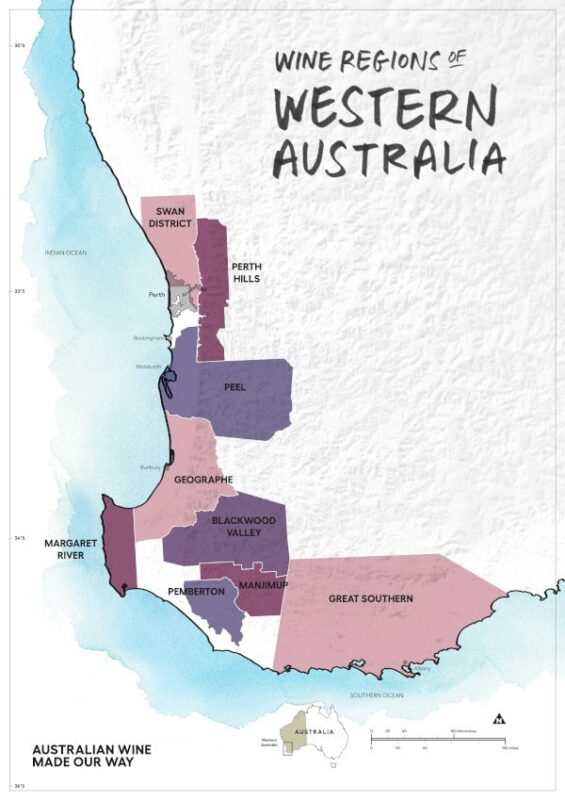
The region covers around 5,000 hectares of vineyards and produces about 3% of Australia’s wines, yet it accounts for over 20% of the country’s premium wines. Margaret River is particularly known for its Bordeaux-like conditions, which are ideal for growing Sauvignon Blanc, Chardonnay, and Cabernet Sauvignon.
8.2. Climatic conditions and their influence on Sauvignon Blanc
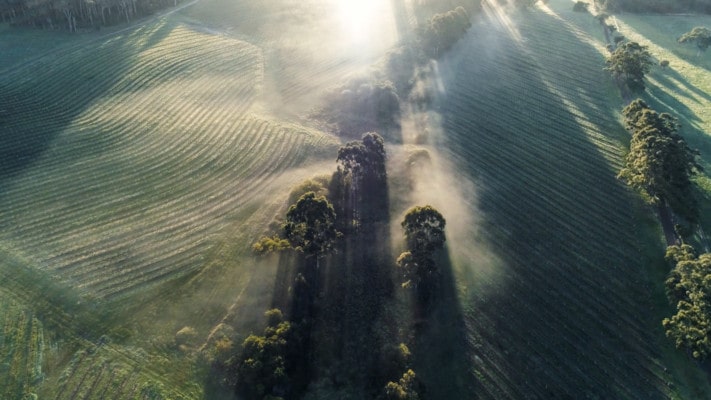
The climate in Margaret River is maritime, similar to that of Bordeaux in France. These climatic conditions are crucial for cultivating Sauvignon Blanc. The proximity to the Indian Ocean ensures mild temperatures and a longer growing season, allowing the grapes to reach full ripeness while maintaining their natural acidity.
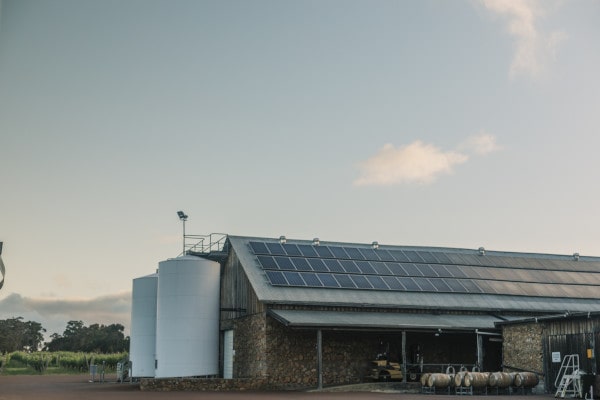
The region enjoys a consistent distribution of rainfall throughout the year, with dry, sunny summers and cool nights. These temperature variations between day and night are particularly beneficial for the development of flavors and acidity structure in Sauvignon Blanc. The soils in Margaret River are diverse, including sandy loam and gravelly soils, which add complexity and minerality to the wines.
8.3. Flavor profile and aroma of Margaret River Sauvignon Blanc
Margaret River Sauvignon Blanc is known for its freshness, vibrancy, and complex aromas. Typical flavor notes include an impressive range of citrus fruits like lime and grapefruit, complemented by tropical fruits such as passionfruit, pineapple, and guava. These fruity aromas are often accompanied by hints of herbs, grass, and green pepper, adding depth and complexity to the wine.
On the palate, Margaret River Sauvignon Blanc presents a crisp, lively acidity that makes the wine fresh and refreshing. The texture is often smooth and well-balanced, making the wine both accessible and structured. Some wines from this region may also exhibit subtle mineral notes and a touch of oak if aged in barrels, contributing to a more complex and rounded flavor profile.
8.4. Recommended wineries and vintage guides
Margaret River is home to some of Australia’s finest wineries, known for their outstanding Sauvignon Blanc wines. Here are some of the leading wineries and their notable vintages:
- Vasse Felix: Vasse Felix is one of the oldest wineries in Margaret River, known for its elegant and well-structured Sauvignon Blanc wines. The “Vasse Felix Sauvignon Blanc Semillon” is an outstanding example, particularly in the 2016, 2018, and 2020 vintages.
- Leeuwin Estate: Leeuwin Estate produces some of the best Sauvignon Blanc wines in the region. The “Art Series Sauvignon Blanc” is highly recommended, with excellent vintages like 2017, 2019, and 2020.
- Cullen Wines: Cullen Wines is known for its biodynamic farming practices and produces top-tier Sauvignon Blanc wines. The “Cullen Mangan Vineyard Sauvignon Blanc Semillon” is especially notable, with vintages such as 2016, 2018, and 2019.
- Cape Mentelle: Cape Mentelle, one of the pioneer wineries in Margaret River, produces the “Cape Mentelle Sauvignon Blanc Semillon,” appreciated for its freshness and complexity. Particularly recommended are the 2017, 2018, and 2020 vintages.
- Moss Wood: Moss Wood is another renowned winery in Margaret River, known for its high-quality Sauvignon Blanc wines. The “Moss Wood Ribbon Vale Sauvignon Blanc Semillon” is a prime example, especially in the 2015, 2017, and 2019 vintages.
Margaret River Sauvignon Blanc is an excellent representation of the high quality and diversity of Australian wines. With its fresh, vibrant character, complex aromatics, and impressive structure, it is a must for any wine lover.
Whether you enjoy it with light summer dishes, seafood, or on its own, Margaret River Sauvignon Blanc will captivate you with its elegance and complexity. The leading wineries of this region have earned an international reputation for their excellent wines, and their outstanding vintages offer a variety of taste experiences that will delight any palate.
9. Yarra Valley Pinot Noir
9.1 Yarra Valley – passionate past and progressive future
The Yarra Valley, located in the state of Victoria, is one of Australia’s most famous and prestigious wine regions. Just about an hour east of Melbourne, the Yarra Valley spans approximately 12,000 hectares of vineyards and is known for its scenic landscapes, wineries, and cool climate conditions.

The winemaking history of the Yarra Valley dates back to the 1830s, and the region has since earned an international reputation for producing top-quality wines. The Yarra Valley is particularly renowned for its elegant and complex Pinot Noir wines, which take full advantage of the region’s cool climate and diverse soils.
9.2. Special features of the Pinot Noir from the Yarra Valley
Pinot Noir from the Yarra Valley is distinguished by its elegance, finesse, and complexity. The region’s cool climate, combined with a long growing season, allows the grapes to ripen slowly, developing complex aromas and a balanced acidity structure. The soil types in the Yarra Valley, ranging from clay to gravel and volcanic soils, contribute to the wines’ layered complexity and minerality.

Typical flavor notes of Yarra Valley Pinot Noir include red fruits like cherries, strawberries, and raspberries, complemented by floral notes such as roses and violets. Spicy nuances of cinnamon, cloves, and a touch of oak—imparted by aging in French oak barrels—are often present as well. The wines have a silky texture, fine tannins, and a long, elegant finish.
9.3. Wine styles, storage and food recommendations
The wine styles of Yarra Valley Pinot Noir range from light and fruity to full-bodied and complex, depending on winemaking practices and specific vineyard sites. Lighter styles are often fresh and vibrant, ideal for immediate enjoyment, while the more complex, structured styles have excellent aging potential.

Pinot Noir from the Yarra Valley can be aged well for 5 to 10 years, with some of the best wines capable of maturing over decades. As they age, these wines develop additional complexity, with secondary aromas of dried fruits, truffles, and leather coming to the fore.
Food pairing recommendations for Yarra Valley Pinot Noir include:
- Poultry: Dishes like duck breast, chicken, and turkey pair wonderfully with the elegant aromas and fine acidity of Pinot Noir.
- Pork: Pork tenderloin, roast pork, and ham complement the fruity and spicy notes of the wine.
- Lamb: Lamb chops or leg of lamb, especially when prepared with herbs and garlic, enhance the structure and complexity of the wine.
- Mushroom Dishes: Mushroom risotto, grilled mushrooms, and mushroom pies pair beautifully with the earthy and spicy notes of Pinot Noir.
- Soft Cheeses: Creamy cheeses like Brie and Camembert harmonize well with the subtle aromas and acidity of the wine.
9.4. Renowned wineries and their outstanding wines
The Yarra Valley is home to some of Australia’s best wineries, known for their top-tier Pinot Noir wines. Here are some of the leading wineries and their standout wines:
- Yarra Yering: Yarra Yering is one of the oldest and most respected wineries in the Yarra Valley. The “Yarra Yering Pinot Noir” is a prime example of the elegance and complexity of this region. Particularly recommended are the 2015, 2017, and 2018 vintages.
- De Bortoli: De Bortoli is known for its “De Bortoli Yarra Valley Estate Grown Pinot Noir,” which impresses with its fine texture and layered aromas. Outstanding vintages include 2016, 2018, and 2019.
- Giant Steps: Giant Steps produces some of the best Pinot Noir wines in the Yarra Valley. The “Giant Steps Sexton Vineyard Pinot Noir” is especially notable, with excellent vintages such as 2015, 2017, and 2019.
- Coldstream Hills: Coldstream Hills is another renowned winery, known for its “Coldstream Hills Reserve Pinot Noir.” Particularly recommended are the 2014, 2016, and 2018 vintages.
- Oakridge Wines: Oakridge Wines produces the outstanding “Oakridge 864 Pinot Noir,” known for its depth and complexity. Noteworthy vintages include 2015, 2017, and 2019.
Yarra Valley Pinot Noir is an exceptional representation of the high quality and versatility of Australian wines. With its elegance, complexity, and layered character, it offers an extraordinary tasting experience that encompasses both young and aged wines. Whether for an elegant dinner or simply for enjoyment in good company, Yarra Valley Pinot Noir is always an excellent choice.
10. Tasmania Sparkling Wines
10.1. Tasmania – Emerging region for sparkling wines
Tasmania, the island located south of mainland Australia, has emerged in recent years as one of the most exciting and promising regions for sparkling wines. The cool climate conditions and unique geographical location make Tasmania an ideal site for producing high-quality sparkling wines. With its cool, long growing seasons and diverse soil types, the island offers perfect conditions for cultivating Chardonnay, Pinot Noir, and Pinot Meunier—the classic grape varieties used in sparkling wine production.

Tasmania’s winemaking history dates back to the early 1800s, but it is only in the past few decades that the region has gained international recognition for its outstanding sparkling wines. Today, Tasmania is considered one of the leading regions for premium sparkling wines in Australia, with many experts comparing the quality of Tasmanian sparkling wines to those from the Champagne region in France.
10.2. Production methods and flavor profile
The production of sparkling wines in Tasmania is primarily done using the traditional method, also known as “Méthode Traditionnelle.” This method involves a second fermentation in the bottle, which gives the wine its fine bubbles and complex flavors. The grape varieties Chardonnay, Pinot Noir, and Pinot Meunier are often used in various combinations to create different flavor profiles.

Typically, a Tasmanian sparkling wine exhibits aromas of citrus fruits, green apples, and white peaches, complemented by floral notes and a fine minerality. The second fermentation in the bottle adds extra depth and complexity to the wine, with hints of brioche, roasted nuts, and yeast. The acidity is lively and refreshing, making the wine an ideal aperitif and a perfect match for a wide range of dishes.
10.3. Special wineries and their best sparkling wines
Tasmania is home to some of Australia’s finest wineries, renowned for their high-quality sparkling wines. Here are some of the leading wineries and their outstanding sparkling wines:
- Jansz Tasmania: Jansz is one of Tasmania’s most prestigious wineries, known for its exceptional sparkling wines. The “Jansz Premium Cuvée” is a prime example of the region’s quality, featuring fine bubbles and complex aromas. Also highly recommended are the “Jansz Vintage Cuvée” and the “Jansz Rosé.”
- House of Arras: House of Arras produces some of the best sparkling wines in Australia. The “House of Arras Grand Vintage” is an outstanding wine with intense aromas and a long finish. The “House of Arras Brut Elite” and the “House of Arras Rosé” are also excellent examples of Tasmanian sparkling wine quality.
- Clover Hill: Clover Hill is known for its elegant and well-structured sparkling wines. The “Clover Hill Tasmanian Cuvée” is particularly recommended, with fine perlage and complex aromas. The “Clover Hill Vintage Brut” is another exceptional wine that reflects the region’s quality.
- Stefano Lubiana: Stefano Lubiana produces biodynamic sparkling wines of the highest quality. The “Stefano Lubiana Grande Vintage” is a remarkable wine with deep complexity and elegant structure. The “Stefano Lubiana Brut Reserve” is also highly recommended.
- Pirie Tasmania: Pirie is another leading winery in Tasmania, known for its top-tier sparkling wines. The “Pirie Sparkling” is an excellent wine with fine bubbles and intense fruit aromas. The “Pirie Vintage” is also highly recommended.

10.4. Drinking recommendations and storage tips
Tasmanian sparkling wines are incredibly versatile and can be enjoyed both as an aperitif and as a companion to a wide range of dishes. Here are some serving suggestions:
- Aperitif: With their refreshing acidity and fine bubbles, Tasmanian sparkling wines are ideal as an aperitif. They stimulate the appetite and prepare the palate for the meal ahead.
- Seafood: Tasmanian sparkling wines pair beautifully with seafood such as oysters, prawns, lobster, and grilled fish. The acidity of the wine enhances the fresh flavors of the seafood, creating a harmonious taste experience.
- Light Appetizers: Dishes like goat cheese crostini, quiche, or light salads harmonize well with the fresh and lively flavors of the sparkling wine.
- Desserts: Particularly dry sparkling wines complement lighter desserts such as lemon tart, fruit salad, or macarons.
Tasmanian sparkling wines also have good aging potential. While many wines can be enjoyed young, high-quality sparkling wines benefit from additional bottle aging. This aging process allows them to develop more complex aromas and a finer mousse. For storage, bottles should be kept in a cool, dark place with a consistent temperature. Ideally, they should be stored lying down to keep the cork moist and prevent oxidation.

Tasmanian sparkling wines represent the highest quality and elegance. With their vibrant aromas, fine bubbles, and complex flavor profiles, they offer an exceptional tasting experience. The wineries of the region have earned an international reputation for their outstanding sparkling wines, making them a must-try for any lover of premium sparkling wines. Whether enjoyed as an aperitif, paired with fine cuisine, or simply to celebrate special moments, Tasmanian sparkling wines are always an excellent choice.
Conclusion: The Best Wines from Australia
11.1. Tips for buying Australian wines
Australia is a country of impressive diversity and quality in wine production. Each region has its own unique characteristics, offering world-class wines.
For wine enthusiasts and collectors, the regions and wines mentioned above provide a wealth of opportunities to expand their collections and enjoy unique tasting experiences. Here are some recommendations:
- Diversify Your Collection: Take advantage of the diversity of Australian wine regions and explore wines from different areas. Each wine has its own distinct features that will enrich your collection.
- Focus on Vintages: Pay attention to outstanding vintages that had particularly favorable conditions for winemaking. These wines often have higher aging potential and may increase in value over time.
- Invest in Premium Wines: Premium wines from renowned wineries like Penfolds, Henschke, and Leeuwin Estate are not only excellent for drinking but also potential investment opportunities.
- Consider Storage and Aging: Many Australian wines, particularly those from regions like Clare Valley and Coonawarra, have significant aging potential. Store these wines under optimal conditions to observe and enjoy their development.
11.2. Outlook for the future of Australian wine culture
The future of Australian wine culture looks promising. Here are some trends and developments that may shape the wine industry in Australia:
- Sustainability and Biodynamics: More and more wineries are adopting sustainable and biodynamic farming methods to protect the environment and improve the quality of their wines. This will continue to play an important role in the future.
- Innovation in Winemaking: Australian winemakers are known for their innovation. New techniques and methods in winemaking could lead to even better and more unique wines.
- International Recognition: Australian wines already enjoy international recognition, and this is expected to grow. This will be supported by an increased presence at international wine fairs and competitions.
- Climate Change and Adaptation: Climate change poses a challenge, but many Australian winemakers are responding with adaptations in viticulture, such as cultivating heat-tolerant grape varieties and improving irrigation techniques.
Australian wine culture is dynamic and diverse, with a rich history and a promising future. For wine lovers and collectors, wines from Australia offer an exciting and rewarding experience. Whether you enjoy the elegant Chardonnays from Adelaide Hills, the powerful Shiraz wines from the Barossa Valley, or the refreshing Sauvignon Blancs from Margaret River, the Australian wine scene has something to offer every palate.
