



Canada, Wine regions, Wines from Canada
Best Wines from Canada

Jul
Table of contents
- 1. introduction
- 2. Beginnings of Canadian Viticulture
- 3. Why Canada is an up-and-coming wine country
- 4. Wine regions in Canada
- 5. Grape varieties in Canada
- 6. Special features of Canadian viticulture
- 7. Conclusion
1. introduction
Canada may be known to many as the land of maple syrup and ice hockey, but it is fast becoming a major player in the world of wine. Canadian viticulture has experienced a remarkable upswing in recent decades, characterised by innovation, quality and the commitment of passionate winemakers. In this article, I would like to introduce you to Canada as a wine country and inspire you with the diversity of Canadian wines.
2. Beginnings of Canadian Viticulture
The history of Canadian viticulture is fascinating and goes back a long way. It tells of the challenges and successes of the early settlers and winemakers who laid the foundation for today’s thriving wine industry. In this section, we look at the beginnings of Canadian viticulture, the first grape varieties that were introduced and the pioneers who established the industry in Canada.
2.1. Early history of Canadian viticulture
The discovery of Vinland
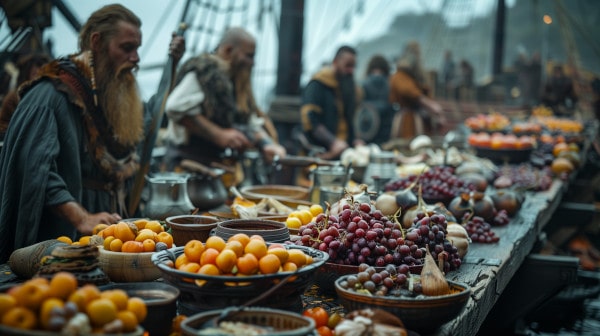
Around the year 1000 AD, the Viking Leif Erikson, son of Erik the Red, led an expedition westwards from Greenland. He and his crew landed in an area they called ‘Vinland’. Vinland is generally identified as the coast of what is now North America, possibly in the area of what is now Newfoundland in Canada. The name ‘Vinland’ literally means ‘wine country’ and possibly refers to the wild grapes or other fertile conditions the Vikings found there.
The first settlers and vines
Viticulture in Canada began with the early European settlers in the 17th century. French and British colonists brought vines with them to produce wine for their own consumption. These first attempts were often characterised by challenges, as the harsh climate and unfamiliar soil conditions made cultivation difficult.
First grape varieties
The early settlers experimented with various European grape varieties, including Vitis vinifera, but these often suffered from the cold winters and diseases. It soon became clear that these varieties would have difficulty thriving in Canada.
Hybrid varieties and adaptation
To overcome the challenges of the Canadian climate, winegrowers began to turn to hybrid varieties that were more resistant to cold and disease. These hybrid varieties were specially bred to withstand the extreme conditions and still produce high quality grapes.
Among the first successful hybrid varieties were Concord and Niagara, which were grown in Ontario in the late 1800s. These varieties were more robust and better able to survive the harsh winters.
2.2. Pioneers of Canadian viticulture
Johann Schiller and the birth of commercial viticulture
Johann Schiller, a German immigrant, is considered one of the pioneers of commercial viticulture in Canada. In the 1810s, he planted the first vineyards near Cooksville, Ontario. Schiller favoured American hybrid varieties and laid the foundation for commercial wine production in the region.
Schiller’s wines quickly caught on and he was able to successfully produce wine for the local market. His success inspired other winemakers and led to the founding of further wineries in Ontario.
The Universal Exhibition of 1867
Another important milestone in the history of Canadian viticulture was the participation of Canadian wines in the 1867 Universal Exhibition in Paris. This event brought international attention and recognition to the quality of Canadian wines. Interest in Canadian wines increased at home and abroad.
2.3. Development of the wine regions
2.3.1. Ontario und die Niagara Peninsula
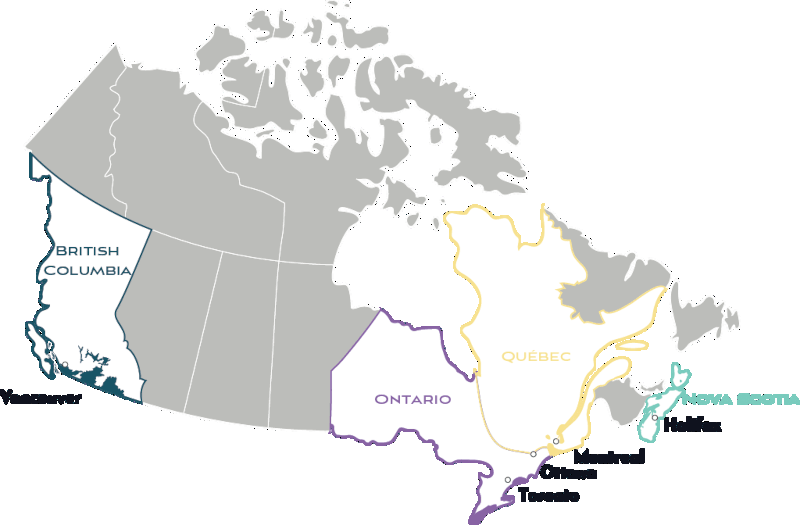
The Niagara Peninsula quickly developed into one of Canada’s most important wine regions. The unique microclimate and fertile soils provided ideal conditions for viticulture.
In the late 1800s, the first commercial wineries were established in the Niagara Peninsula. These wineries relied on hybrid varieties and American grape varieties to defy the difficult climatic conditions.
2.3.2. British Columbia and the Okanagan Valley
The Okanagan Valley in British Columbia also developed into an important wine region. The first vineyards were planted in the 1850s by missionaries who brought vines with them from California.
The Californian grape varieties proved to be well suited to the climate in the Okanagan Valley and wine production began to flourish. The first commercial wineries were founded in the early 1900s.
2.4. Challenges and Breakthroughs
2.4.1. Prohibition and its effects
Prohibition in the 1920s posed a considerable challenge for Canadian viticulture. Many wineries had to close and viticulture declined sharply.
Some wineries survived Prohibition by focussing on the production of grape juice and other non-alcoholic products. After the end of Prohibition, the wine industry slowly began to rebuild.
2.4.2. Introduction of Vitis vinifera
A major breakthrough for Canadian viticulture was the successful introduction of Vitis vinifera grape varieties in the 1970s. New cultivation techniques and improved clones made it possible to grow these more sensitive grape varieties in Canada.
The introduction of Vitis vinifera led to a significant increase in the quality of Canadian wines. Varieties such as Riesling, Chardonnay and Pinot Noir could now be successfully cultivated and received international recognition.
3. Why Canada is an up-and-coming wine country
Canada may still be a relative newcomer in the international wine world, but the country has made impressive progress in recent years and has secured a firm place among the best wine producers.
3.1. Climatic diversity and its benefits
Canada offers an impressive climatic diversity that creates ideal conditions for the cultivation of different grape varieties. The combination of hot summers, cold winters and the unique microclimates of the individual wine regions enables the production of wines of exceptional quality and diversity.
- Continental climate in Ontario: The hot summers and cold winters in Ontario, especially in the Niagara Peninsula, offer perfect conditions for the production of world-class ice wines. These climatic conditions contribute to the development of intense flavours and a balanced acid structure.
- Maritime climate in Nova Scotia: The maritime climate in regions such as the Annapolis Valley ensures mild winters and cool summers, which is particularly suitable for the production of sparkling white wines and elegant sparkling wines.
- Dry climate in British Columbia: The Okanagan Valley in British Columbia benefits from a dry climate with hot summers and cool nights, which favours the development of complex red wines such as Merlot and Cabernet Sauvignon.
3.2. Innovation and sustainability in viticulture
Canadian winemakers are known for their innovative spirit and commitment to sustainable practices. Many wineries rely on modern technologies and sustainable farming methods to maximise the quality of their wines while protecting the environment.
- Biodynamic and organic viticulture: Many wineries in Canada have adopted biodynamic and organic farming practices. These practices promote the health of the vineyards and contribute to the production of wines that reflect the unique character of their terroir.
- Technological innovations: Canadian winemakers use advanced techniques such as precision viticulture and modern cellar technology to optimise wine quality. This enables them to produce wines of exceptional purity and complexity.
3.3. International recognition and awards
Canadian wines have won numerous awards at international competitions in recent years and have attracted the interest of the global wine world. This has helped to cement Canada’s reputation as a world-class wine producer.
- Award-winning ice wines: Canadian ice wines, especially from Ontario, have repeatedly achieved top marks in international competitions. The unique method of ice wine production and the high quality of the grapes result in wines that are appreciated worldwide.
- Renowned red wines from British Columbia: Red wines from the Okanagan Valley, such as the Mission Hill Family Estate Oculus, have won numerous awards and demonstrate the region’s potential for the production of premium red wines.
3.4. The diversity of grape varieties
The diversity of grape varieties grown in Canada contributes to the attractiveness of the wines. From classic vinifera grape varieties to hybrid varieties, Canada offers a wide range of wines for every taste.
- Classic grape varieties: Riesling, Chardonnay, Pinot Noir and Cabernet Franc are some of the most important grape varieties grown in Canada and form the basis for many award-winning wines.
- Hybrid varieties: In addition to the classic grape varieties, many hybrid varieties such as Vidal and Baco Noir are also cultivated in Canada, which adapt particularly well to the climatic conditions and produce unique wines.
3.5. Growing popularity and market demand
As Canadian wines become more widely known and recognised, demand on the international market is also increasing. Wine lovers around the world are discovering the quality and diversity of Canadian wines, contributing to their growing popularity.
- Online sales of Canadian wines: The ability to buy Canadian wines online has significantly increased their availability and popularity. Online wine retailers offer a wide selection of Canadian wines and allow wine lovers to order them online and enjoy them in the comfort of their own homes.
- Export markets: Canadian wines are available in numerous international markets and are steadily gaining market share there. The increasing presence on global wine lists emphasises Canada’s growing importance as a wine producer.
Unique wine products
Canada has also distinguished itself by producing unique wine products that set it apart from other wine-producing countries.
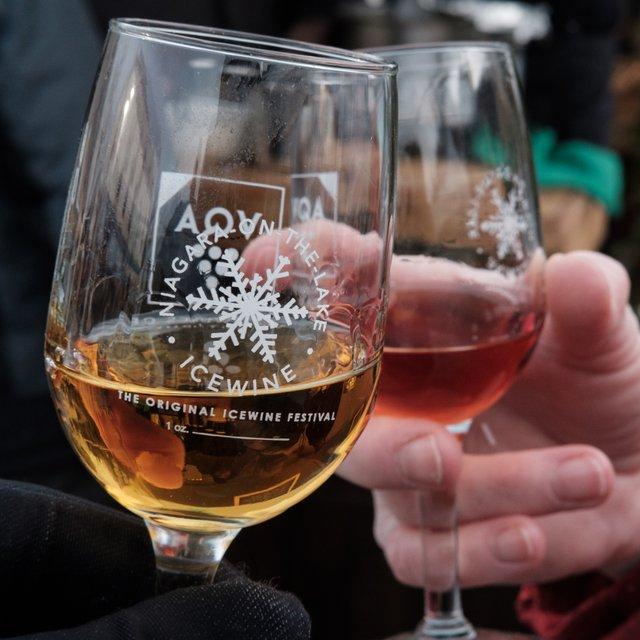
- Ice wine: Canada is a world leader in the production of ice wine. These sweet, concentrated wines are made from frozen grapes and are a highlight of every wine collection.
- Sparkling wines: Nova Scotia in particular produces excellent sparkling wines that are made using traditional methods and are characterised by their freshness and complexity.
Promotion by the government and wine associations
The Canadian government and various wine associations support viticulture through promotional programmes and marketing initiatives aimed at increasing the quality and awareness of Canadian wines.
- Vintners Quality Alliance (VQA): The VQA is a quality assurance system that sets strict standards for Canadian wines and ensures that only wines that meet these standards are allowed to carry the VQA seal. This gives consumers security and confidence in the quality of the wines.
- Support programmes: Various state subsidy programmes support winegrowers in switching to sustainable cultivation methods and opening up new markets.

Canada has become an up-and-coming wine country thanks to its climatic diversity, innovative growing methods, international recognition and government support. The ability to buy Canadian wines online allows wine lovers worldwide to discover the quality and uniqueness of these wines. The growing popularity and impressive diversity of wines make Canada an exciting and rewarding destination for wine lovers and collectors alike.
4. Wine regions in Canada
In recent decades, Canada has developed into a remarkable wine producer whose wines enjoy international recognition. The country offers an amazing variety of wine regions, each with unique climatic and geographic conditions. This diversity allows Canada to produce a wide range of high-quality wines that you can conveniently buy online. In this section, we provide an exciting overview of Canada’s main wine regions to give you a deeper understanding of the origins of the best Canadian wines.
4.1. Ontario
Ontario is the heart of Canadian viticulture and the largest wine region in the country. With its diverse sub-regions and ideal climate, Ontario offers some of the best conditions for viticulture in North America. The unique combination of hot summers, cold winters and the moderating effect of the Great Lakes allows for the production of wines of outstanding quality and diversity. In this section you will learn more about Ontario’s most important wine growing regions: the Niagara Peninsula, Prince Edward County and Lake Erie North

4.1.1. Short profile Ontario
- Position: 41° N to 45° N, 76° W to 82° W
- Area under cultivation: Around 17,000 hectares
- Grape Varieties:
- White grape varieties: Riesling, Chardonnay, Vidal (especially for ice wine), Sauvignon Blanc, Gewürztraminer, Pinot Gris
- Red Varieties: Pinot Noir, Cabernet Franc, Merlot, Cabernet Sauvignon, Baco Noir, Gamay Noir, Syrah
- White grape varieties: Riesling, Chardonnay, Vidal (especially for ice wine), Sauvignon Blanc, Gewürztraminer, Pinot Gris
- Proportion of white wines to red wines: White wines: approx. 60%, red wines: approx. 40%
- Number of wineries: Over 180 wineries
- Number of winegrowers: Over 500 winegrowers
- Designated wine-growing areas:
- Niagara Peninsula: sub-regions such as Niagara-on-the-Lake and Twenty Mile Bench
- Prince Edward County: Known for chalky soils and cooler climate
- Lake Erie North Shore: Mild climate and sandy loam soils
- Essex County: Southernmost wine-growing region, benefits from warm temperatures
- Pelee Island: Island in Lake Erie, with a unique microclimate
- Niagara Peninsula: sub-regions such as Niagara-on-the-Lake and Twenty Mile Bench
- Other special features:
- Ice wine production: Canada, especially Ontario, is world-renowned for its high-quality ice wines
- Climatic conditions: The Great Lakes moderate the climate, ensuring mild winters and long growing seasons
- Sustainability: Many wineries rely on sustainable and biodynamic cultivation methods
- Tourism: The region attracts many tourists, with numerous wine festivals, tastings and wine tours
- Innovations: Use of modern technologies in viticulture and cellar, experimentation with new grape varieties and wine styles
- Ice wine production: Canada, especially Ontario, is world-renowned for its high-quality ice wines
4.1.2. Ontario’s wine-growing regions
4.1.2.1. Niagara Peninsula
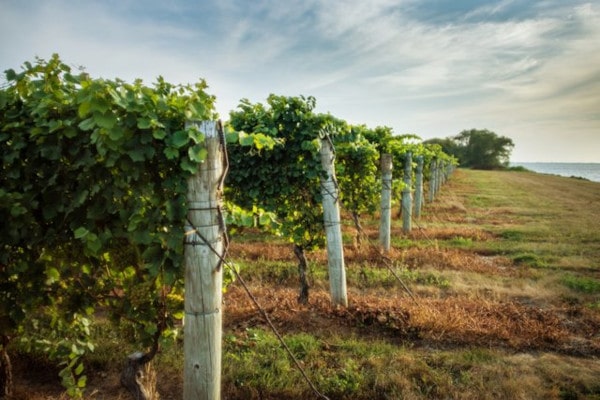
The Niagara Peninsula is the most famous wine-growing region in Ontario and one of the most renowned in Canada. Located at 43 degrees latitude, it benefits from a unique microclimate characterised by its proximity to the Great Lakes, particularly Lake Erie and Lake Ontario. These moderating influences prevent extreme temperature fluctuations and extend the growing season, which is ideal for viticulture.
This area has limestone and clay soils that are well drained and offer an excellent supply of nutrients. The limestone contributes to the minerality of the wines and enhances the natural flavours of the grape varieties. The combination of clay and limestone produces wines with intense fruit flavours and balanced acidity.
Famous grape varieties and wines
- Riesling: Riesling from the Niagara Peninsula is known worldwide for its outstanding quality. The cool nights and warm days encourage the development of intense flavours and lively acidity. Particularly noteworthy are the ice wines, which are made from frozen grapes and are characterised by their balance of sweetness and acidity.
- Chardonnay: This versatile grape variety shows its full range in the Niagara Peninsula. From elegant, mineral wines to powerful, buttery Chardonnays, everything is represented here. The wines benefit from the chalky soils and the moderate climate.
- Pinot Noir: Pinot Noir from the Niagara Peninsula is often compared to the great wines of Burgundy. The cool climatic conditions and long growing seasons enable the production of wines with a fine structure and complex flavours.
Wineries and places of interest
- Inniskillin Wines: This winery is internationally recognised for its award-winning ice wines. A visit offers a fascinating introduction to the production of this unique wine.
- Peller Estates: Another renowned winery known for both its red and white wines. The winery offers exclusive tastings and culinary experiences.
- Niagara Falls: The proximity to the famous Niagara Falls makes a visit to the region particularly attractive. After a wine tasting, visitors can explore the impressive waterfalls.
4.1.2.2. Prince Edward County
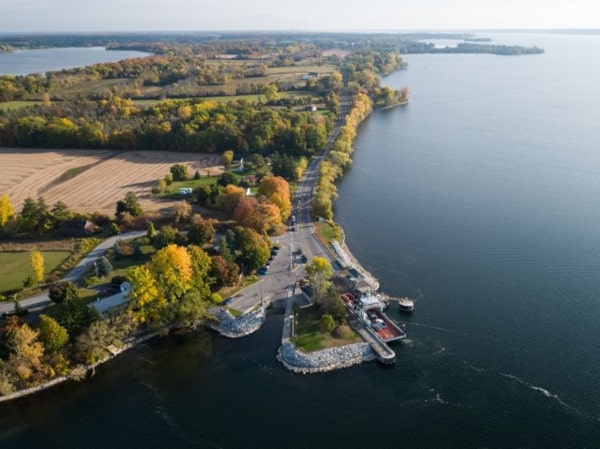
Prince Edward County, located at the 44th parallel, is one of the most up-and-coming wine regions in Ontario. It lies on the shores of Lake Ontario and is known for its limestone soils and cool climate, which provide perfect conditions for viticulture.
The calcareous and well-drained soils in this region produce elegant, mineral wines. The limestone gives the wines a special freshness and finesse, while clay provides structure and depth.
Famous grape varieties and wines
- Pinot Noir: The chalky soils and cool climate of Prince Edward County provide ideal conditions for growing Pinot Noir. The wines are characterised by their elegance, fine tannins and complex aromas.
- Chardonnay: Chardonnay from Prince Edward County also enjoys a high reputation. The wines are often mineral and fresh, with a balanced acidity and fine fruity flavours.
- Gamay Noir: This grape variety is also well represented in Prince Edward County. The wines are light and fruity, with flavours of red berries and a lively acidity.
Wineries and places of interest
- Norman Hardie Winery: This winery is known for its outstanding Pinot Noirs and Chardonnays. A visit offers the opportunity to taste some of the best wines in the region.
- Closson Chase Vineyards: Another prominent winery known for its high-quality Chardonnays and Pinot Noirs. The winery offers a beautiful setting for wine tastings and events.
- Sandbanks Provincial Park: This park offers beautiful sandy beaches and is a perfect place for a relaxing day after a wine tasting.
4.1.2.3. Lake Erie North Shore
Lake Erie North Shore is located at 42 degrees latitude and enjoys a mild climate influenced by the warm winds of Lake Erie. This makes the region an ideal place for growing red wine varieties.
The sandy loam soils of this region offer excellent drainage and heat conduction, which is particularly suitable for the cultivation of red wine varieties such as Cabernet Franc and Merlot. The wines are often fruity, full-bodied and well-structured.
Famous grape varieties and wines
- Cabernet Franc: This grape variety thrives particularly well in the region and produces wines with intense fruit flavours, soft tannins and a pleasant spiciness.
- Merlot: Lake Erie North Shore Merlots are full-bodied and fruity, with flavours of black cherry, plum and chocolate.
- Syrah: This grape variety also finds ideal conditions in the region and produces strong, spicy wines with flavours of dark berries and pepper.
Wineries and places of interest
- Pelee Island Winery: One of Canada’s oldest and largest wineries, Pelee Island Winery offers a wide range of wines, including some of the best reds in the region. The winery offers guided tours and tastings.
- Sprucewood Shores Estate Winery: This family-run winery is known for its warm hosts and high-quality wines. The location directly on the shores of Lake Erie provides a picturesque backdrop for wine tastings.
- Point Pelee National Park: This national park is a favourite destination for nature lovers and birdwatchers. A visit to the park can be ideally combined with a wine tasting at one of the nearby wineries.
Ontario is undoubtedly the heart of Canadian viticulture, with an impressive diversity of wine regions and grape varieties. From the world-famous ice wines of the Niagara Peninsula to the elegant Pinot Noirs and Chardonnays of Prince Edward County to the bold reds of Lake Erie North Shore, Ontario wines offer something for everyone.
Online sales of Ontario wines allow wine lovers worldwide to discover and enjoy these outstanding wines. Thanks to the wide selection and convenient online ordering, you can have the best Canadian wines delivered directly to your door.
4.2. British Columbia
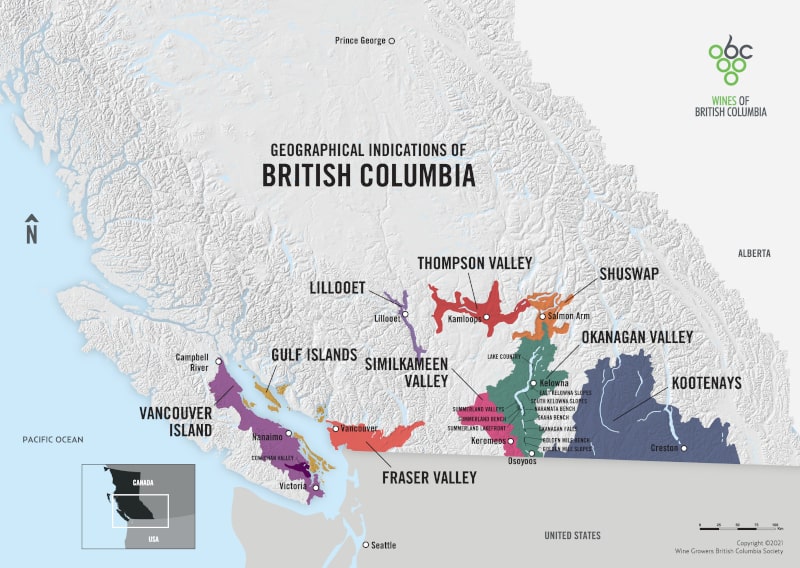
British Columbia (BC) is one of Canada’s most dynamic and diverse wine regions. Located between the 49th and 51st parallel, it encompasses an impressive variety of microclimates and soil types that allow for a wide range of grape varieties and wine styles.
4.2.1. Short profile British Columbia
- Position: 49° N to 50° N, 119° W to 121° W
- Area under cultivation: Around 11,000 hectares
- Grape Varieties:
- White grape varieties: Chardonnay, Pinot Gris, Riesling, Sauvignon Blanc, Gewürztraminer, Viognier
- Red grape varieties: Merlot, Cabernet Sauvignon, Pinot Noir, Syrah, Cabernet Franc, Malbec
- Proportion of white wines to red wines: White wines: approx. 50%, red wines: approx. 50%
- Number of wineries: Over 370 wineries
- Number of winegrowers: Over 900 winegrowers
- Designated wine-growing areas:
- Okanagan Valley: main growing area with sub-regions such as Naramata Bench, Oliver, and Osoyoos
- Similkameen Valley: Known for mineral wines and biodynamic practices
- Fraser Valley: close to Vancouver, mild climate, ideal for early-ripening grape varieties
- Vancouver Island: Cool maritime conditions, ideal for white wines and sparkling wines
- Gulf Islands: Small growing region with a maritime climate, specialising in white and aromatic grape varieties
- Kootenays: Smaller region with high-altitude vineyards and cool climate
- Okanagan Valley: main growing area with sub-regions such as Naramata Bench, Oliver, and Osoyoos
- Other special features:
- Diversity of terroirs: different microclimates and soil types, from volcanic and alluvial soils to sandy loam
- Sustainability: Strong focus on sustainable and biodynamic cultivation, many wineries are certified organic
- Innovative wine production: experimenting with new grape varieties and wine styles, including orange wines and natural wines
- Tourism: Popular tourist destination with wine routes, festivals and tastings, especially in the Okanagan Valley
- Climatic advantages: Hot summer days and cool nights in the Okanagan Valley promote the development of intense flavours and a good acid structure
- Diversity of terroirs: different microclimates and soil types, from volcanic and alluvial soils to sandy loam
- Important wineries:
- Mission Hill Family Estate: Famous for its architecture and award-winning wines
- Burrowing Owl Estate Winery: Known for its red wines, especially Merlot and Cabernet Sauvignon
- Quails’ Gate Winery: Family-run winery with a wide range of wines and a special focus on Pinot Noir and Chardonnay
- Tantalus Vineyards: Specialised in Riesling, known for its sustainability practices
- Nk’Mip Cellars: First First Nations owned and operated winery known for its innovative wines
- Mission Hill Family Estate: Famous for its architecture and award-winning wines
4.2.2. The wine-growing regions of British Columbia
4.2.2.1. Okanagan Valley
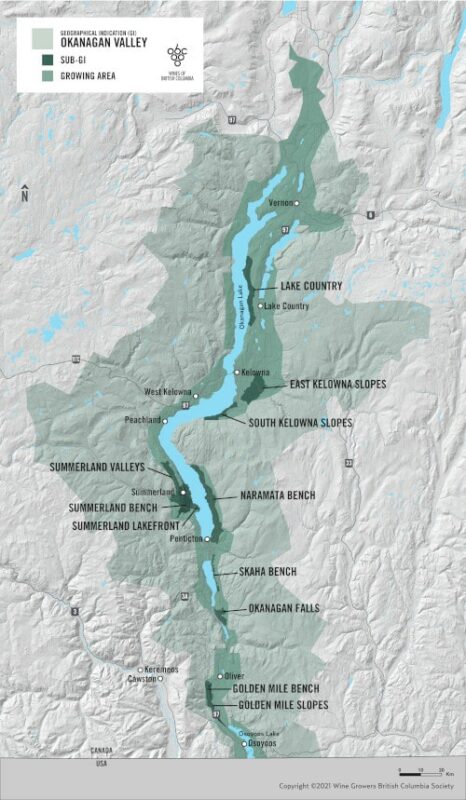
The Okanagan Valley is the best-known and largest wine-growing region in British Columbia. It stretches more than 250 kilometres from north to south and offers an impressive variety of landscapes. The valley benefits from hot summers and cool nights, which create ideal conditions for viticulture.
The soils in the Okanagan Valley are very diverse and include volcanic, glacial and alluvial deposits. These well-drained soils provide an excellent supply of nutrients and contribute to the development of intense fruit flavours and complex structures.
Famous grape varieties and wines
- Merlot: The Okanagan Valley is known for its full-bodied Merlots with flavours of dark berries, plums and chocolate. The hot days and cool nights promote the development of complex flavours and a balanced acid structure.
- Pinot Gris: This grape variety thrives excellently in the Okanagan Valley and produces fresh, aromatic white wines with flavours of green apple, pear and citrus fruits.
- Cabernet Sauvignon: The powerful and structured Cabernet Sauvignons from the Okanagan Valley are characterised by intense fruit aromas, ripe tannins and great ageing potential.
Wineries and places of interest
- Mission Hill Family Estate: One of the most famous wineries in the Okanagan Valley, known for its high-quality red and white wines. The winery offers breathtaking views and impressive architecture.
- Quails’ Gate Winery: A family-run winery known for its excellent Pinot Noirs and Chardonnays. The winery offers guided tours and tastings where you can learn more about wine production.
- Okanagan Lake: The picturesque Okanagan Lake is a popular destination for recreational activities such as boating, swimming and hiking. The proximity to the lake provides a moderate climate that is ideal for viticulture.
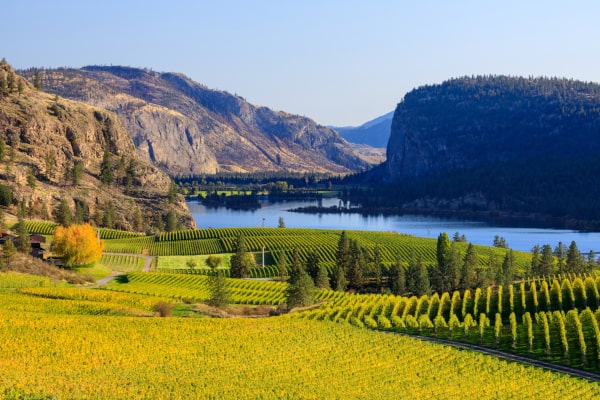
4.2.2.2. Similkameen Valley
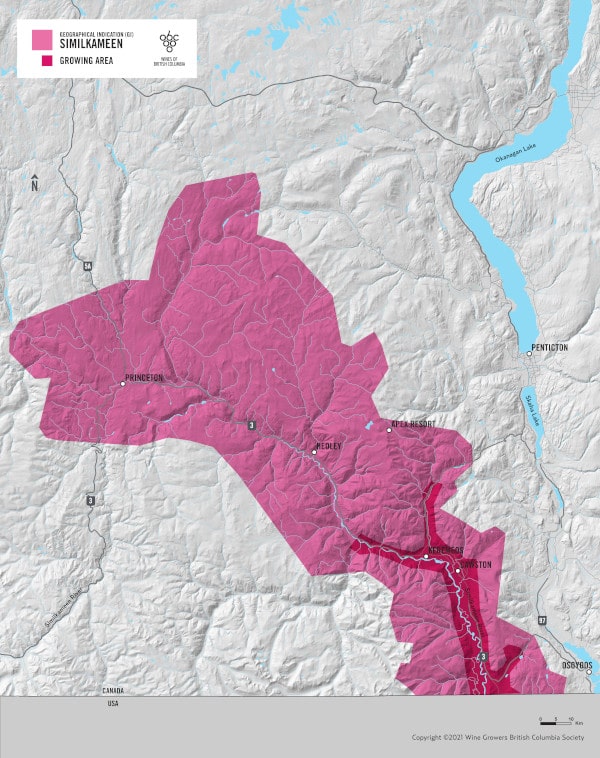
The Similkameen Valley, located west of the Okanagan Valley, is a lesser-known but up-and-coming wine region in British Columbia. The valley is characterized by its spectacular landscape and excellent conditions for biodynamic and organic viticulture.
This region is known for its stony, well-drained soils, which offer excellent heat retention. The soils consist mainly of slate and sandstone, which gives the wines a pronounced minerality and structure.
Famous grape varieties and wines
- Cabernet Franc: The wines from the Similkameen Valley are known for their intensity and complexity. Cabernet Franc is characterized by aromas of red fruits, spices and herbs.
- Syrah: This grape variety finds ideal conditions in the Similkameen Valley and produces strong, spicy wines with aromas of dark berries, pepper and chocolate.
- Riesling: The cool nights and warm days in the Similkameen Valley promote the development of Riesling wines with lively acidity and pronounced fruit aromas.

Wineries and places of interest
- Clos du Soleil: A winery that specializes in biodynamic and organic viticulture. It produces first-class red and white wines that reflect the unique character of the Similkameen Valley.
- Orofino Vineyards: A family-run winery known for its handcrafted wines. The winery offers tastings and tours where you can enjoy the wines and the beautiful landscape.
- Similkameen River: The Similkameen River flows through the valley and offers a picturesque backdrop for wine tasting and leisure activities such as fishing and hiking.
4.2.2.3. Fraser Valley
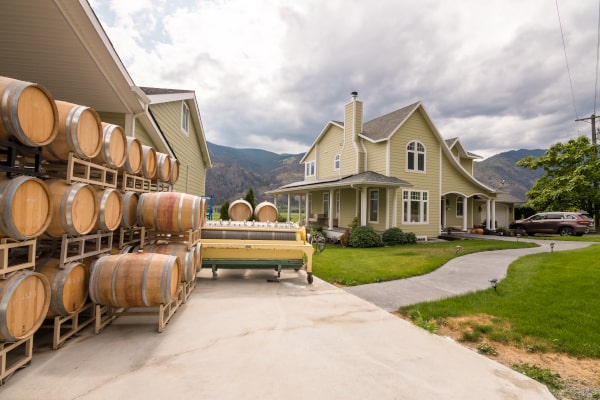
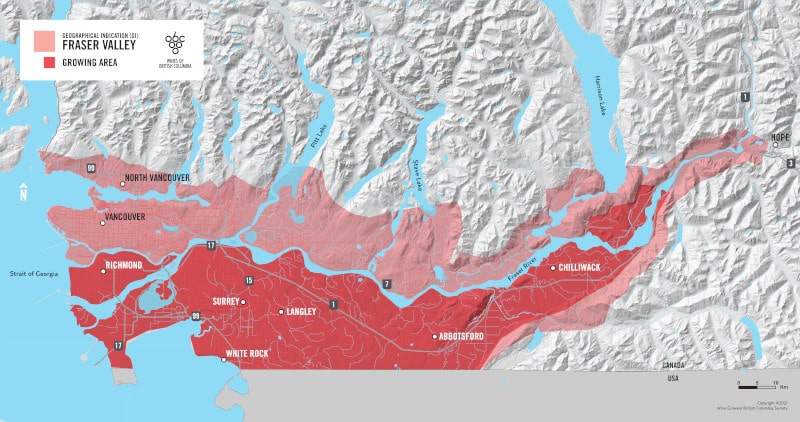
The Fraser Valley is located near Vancouver and enjoys a temperate climate influenced by the Pacific Ocean. This region is known for its fresh, aromatic white wines and offers ideal conditions for growing grape varieties that thrive in cooler climates.
The Fraser Valley has deep, fertile soils that are well suited to the cultivation of aromatic white wines. The soils are often sandy-loamy, which ensures good drainage and nutrient supply.
Famous grape varieties and wines
- Sauvignon Blanc: Sauvignon Blanc from the Fraser Valley is characterized by its freshness and lively acidity. The wines have aromas of citrus fruit, green apple and tropical fruit.
- Chardonnay: Chardonnay also thrives excellently in the Fraser Valley. The wines are often elegant and mineral, with aromas of citrus fruit, pear and a hint of oak.
- Pinot Noir: Pinot Noir from the Fraser Valley is known for its fine structure and aromas of red berries, cherries and spices.
Wineries and places of interest
- Chaberton Estate Winery: One of the oldest and largest wineries in the Fraser Valley, known for its high-quality white wines and elegant red wines. The winery offers guided tours and tastings.
- Backyard Vineyards: A charming winery known for its handcrafted wines and cozy atmosphere. It offers a variety of wines for tasting and sale.
- Fort Langley National Historic Site: This historic site offers a glimpse into the early history of the region and is a popular destination for visitors who want to learn more about the history and culture of the Fraser Valley.
British Columbia is one of Canada’s most diverse and exciting wine regions. From the hot summers and cool nights of the Okanagan Valley to the biodynamic practices of the Similkameen Valley and the fresh, aromatic wines of the Fraser Valley, British Columbia wines offer something for everyone.
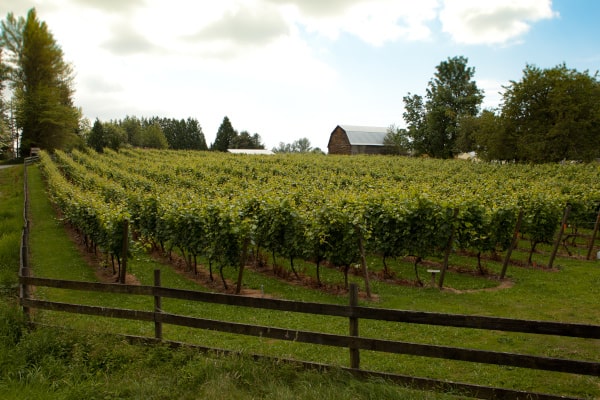
Selling British Columbia wines online allows wine lovers worldwide to discover and enjoy these outstanding wines. With a wide selection and the convenience of online ordering, you can have the best Canadian wines delivered directly to your door.
4.3. Quebec
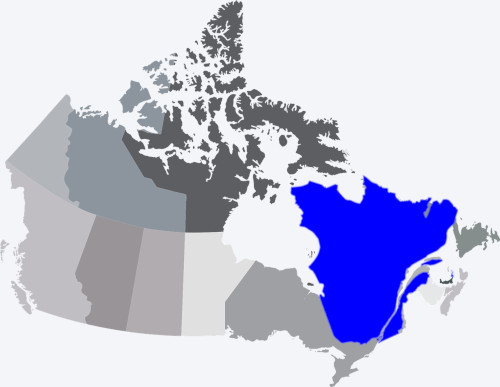
Quebec, the French-speaking province of Canada, is known for its cultural diversity and culinary delights. However, Quebec has also made a name for itself in winegrowing in recent years. The wine regions in Quebec stretch between the 45th and 48th parallel and, thanks to the cool climate and unique soil conditions, offer ideal conditions for growing certain grape varieties, especially ice wines and aromatic white wines. In this section, we highlight the most important wine regions of Quebec: the Eastern Townships and the Montérégie.
4.3.1. Short profile Quebec
- Position: 45° N bis 48° N, 70° W bis 74° W
- Area under cultivation: Around 1,600 hectares
- Grape Varieties:
- White grape varieties: Vidal, Seyval Blanc, Chardonnay, Riesling, Frontenac Blanc, Vignoles
- Red Varieties: Maréchal Foch, Frontenac, De Chaunac, Baco Noir, Pinot Noir, Gamay Noir
- White grape varieties: Vidal, Seyval Blanc, Chardonnay, Riesling, Frontenac Blanc, Vignoles
- Proportion of white wines to red wines: White wines: approx. 55%, red wines: approx. 45%
- Number of wineries: Over 150 wineries
- Number of winegrowers: Over 300 winegrowers
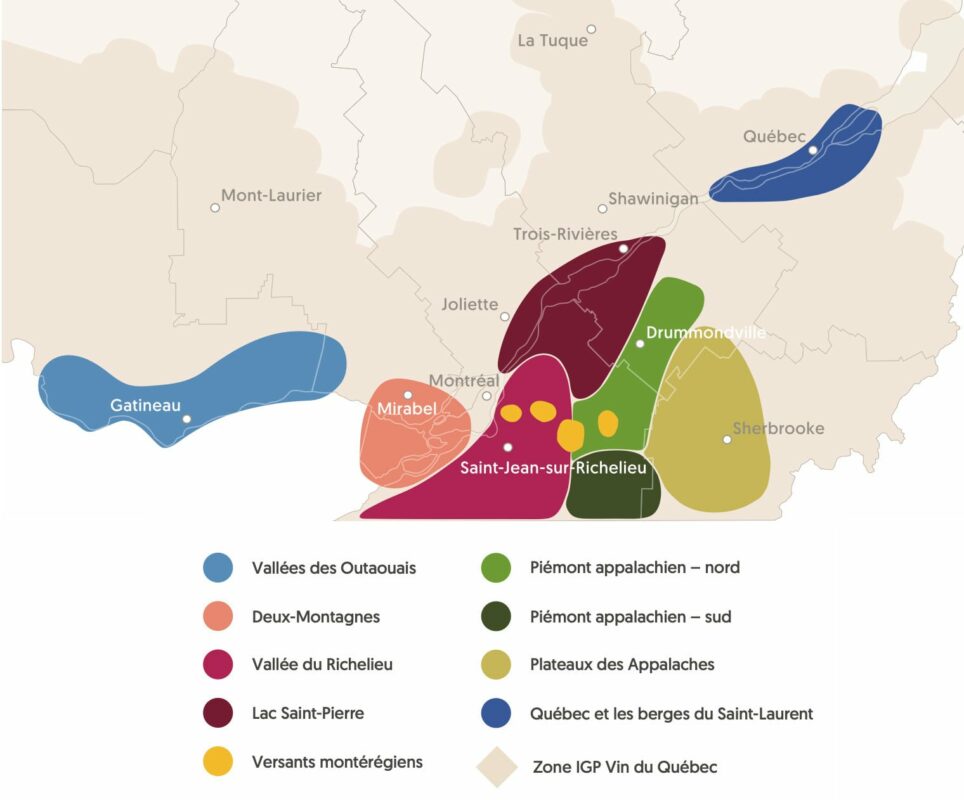
- Designated wine-growing areas:
- Eastern Townships (Cantons-de-l’Est): Main growing area with calcareous soils and temperate climate
- Montérégie: South of Montreal, known for its fertile soils and diverse grape varieties
- Lanaudière: Region north of Montreal, known for cool temperatures and late-ripening grape varieties
- Centre-du-Québec: region west of the St. Lawrence River, known for its varied microclimates and wine styles
- Île d’Orléans: Historic wine-growing region in the St. Lawrence River, known for its unique wines and climatic conditions
- Eastern Townships (Cantons-de-l’Est): Main growing area with calcareous soils and temperate climate
- Other special features:
- Ice wine production: Quebec is known for its high-quality ice wines, especially from Vidal and Frontenac Gris
- Hybrid grape varieties: use of robust hybrid varieties that can withstand cold winters and deliver high quality
- Viticultural climate: Cold winters and warm summers, often with high humidity, offer particular challenges and opportunities for viticulture
- Tourism: Popular destination for wine tourists with numerous wineries, tasting rooms and wine festivals, especially in the Eastern Townships
- Innovations: Strong emphasis on innovation and adaptation, including the development of new grape varieties and cultivation techniques
- Sustainability: an increasing number of wineries are using sustainable and organic cultivation methods
- Ice wine production: Quebec is known for its high-quality ice wines, especially from Vidal and Frontenac Gris
- Important wineries:
- Vignoble de l’Orpailleur: One of the most famous wineries in Quebec, known for its ice wines and diverse varieties
- Domaine Pinnacle: Famous for its ice wines, especially Vidal Icewine, and its innovative production
- Vignoble Carone: Known for its high-quality red wines and innovative approaches to viticulture
- Domaine Les Brome: Produces a wide range of wines, known for its quality wines and beautiful location in the Eastern Townships
- Vignoble Rivière du Chêne: One of the largest wine producers in Quebec, known for its sustainable practices and a variety of wines
- Vignoble de l’Orpailleur: One of the most famous wineries in Quebec, known for its ice wines and diverse varieties
4.3.2. Quebec’s most important wine-growing regions
4.3.2.1. Eastern Townships
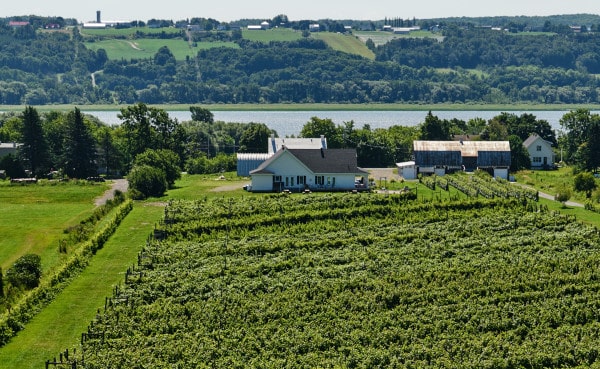
The Eastern Townships, also known as Estrie, are the most important wine-growing region in Quebec. This region is located south-east of Montreal and is characterized by hilly terrain, cool climatic conditions and diverse soil types, which create ideal conditions for viticulture.
This region is known for its calcareous and sandy soils, which are well drained and offer excellent heat retention. The soils contribute to the development of fresh, fruity wines with a pronounced minerality.
Famous grape varieties and wines
- Vidal: This hybrid grape variety is particularly well known for its use in ice wine production. The wines are characterized by high acidity and intense fruit aromas, which makes them perfect for the production of sweet wines.
- Seyval Blanc: Another hybrid grape variety that thrives in the Eastern Townships. Seyval Blanc produces fresh, fruity white wines with aromas of green apple, citrus fruit and a hint of minerality.
- Maréchal Foch: This red wine variety is known for its robustness and adaptability to the cool climate. The wines are often deep red, with aromas of dark berries, plums and a spicy note.
Wineries and places of interest
- Domaine Pinnacle: A leading winery in the Eastern Townships, known for its high-quality ice wines and ciders. A visit offers the opportunity to tour the production facilities and taste a variety of wines.
- Vignoble de L’Orpailleur: One of the oldest and most renowned wineries in Quebec, offering a wide range of wines, including excellent ice wines and sparkling wines.
- Bromont: This town in the Eastern Townships is a popular destination for outdoor activities such as skiing, hiking and biking. After a day in nature, visitors can relax at one of the local wineries and enjoy the regional wines.
4.3.2.2. Montérégie
Montérégie is located south of Montreal and is one of Quebec’s most productive agricultural regions. The region is known for its diverse agricultural products, including wine, and offers a temperate climate that is ideal for growing vines.
The soils in this region are diverse and range from sandy loam to calcareous soils. This diversity enables the cultivation of different grape varieties and results in wines with complex aromas and good structure.
Famous grape varieties and wines
- Frontenac: This hybrid grape variety is often grown in Montérégie and produces powerful, fruity red wines with aromas of dark berries, cherries and spices.
- Marquette: Another robust red wine variety that adapts well to the cool climate. The wines are full-bodied, with aromas of blackcurrants, plums and a subtle spiciness.
- La Crescent: This white hybrid grape variety produces aromatic wines with aromas of apricots, peaches and tropical fruits. The wines are often semi-dry to sweet and have a lively acidity.
Wineries and places of interest
- Domaine de Lavoie: This winery is known for its diverse selection of wines, including ciders and sparkling wines. The winery offers guided tours, tastings and breathtaking views of the surrounding vineyards.
- Vignoble Les Pervenches: A small but fine winery that specializes in organic and biodynamic cultivation methods. The wines are known for their purity and expressiveness.
- Rougemont: This municipality in Montérégie is famous for its apple orchards and vineyards. A visit to Rougemont offers the opportunity to taste local wines and apple products and enjoy the picturesque landscape.

Quebec may not be the best-known wine region in Canada, but the quality and diversity of the wines from this province speak for themselves. From the cool climate conditions of the Eastern Townships, which provide ideal conditions for ice wine production, to the fertile soils of the Montérégie, which allow a variety of grape varieties to thrive – the wines from Quebec are well worth discovering.
Online sales of Quebec wines allow wine lovers worldwide to conveniently purchase and enjoy these unique wines. With a wide selection and the convenience of ordering online, you can have the best Canadian wines delivered directly to your door.
4.4. Nova Scotia
Nova Scotia, the maritime province in eastern Canada, is known for its breathtaking coastal landscapes, historic towns and fresh seafood. But in recent years, Nova Scotia has also made a name for itself as an up-and-coming wine region. The province’s wine regions stretch between 44 and 46 degrees latitude and benefit from a cool, maritime climate that is particularly well suited to growing sparkling and aromatic white wines. In this section, we highlight Nova Scotia’s most important wine-growing regions: the Annapolis Valley and the Gaspereau Valley.
4.4.1. Short profile Nova Scotia
- Location: 44° N to 46° N, 61° W to 66° W
- Area under cultivation: Around 800 hectares
- Grape Varieties:
- White grape varieties: L’Acadie Blanc, Seyval Blanc, Chardonnay, Riesling, Vidal, Ortega, New York Muscat
- Red grape varieties: Marechal Foch, Baco Noir, Lucie Kuhlmann, Castel, Leon Millot
- White grape varieties: L’Acadie Blanc, Seyval Blanc, Chardonnay, Riesling, Vidal, Ortega, New York Muscat
- Proportion of white wines to red wines: White wines: approx. 75%, red wines: approx. 25%
- Number of wineries: Over 20 wineries
- Number of winegrowers: Over 100 winegrowers
- Designated wine-growing areas:
- Annapolis Valley: Main cultivation area with fertile soils and a temperate maritime climate
- Gaspereau Valley: sub-region of the Annapolis Valley, known for steep slopes and well-drained soils
- Malagash Peninsula: region on the north coast, known for its cooler conditions and mineral-rich soils
- LaHave River Valley: A smaller, up-and-coming wine-growing region with ideal conditions for white wines
- Bear River Valley: A smaller area characterised by a unique microclimate and fertile soils
- Annapolis Valley: Main cultivation area with fertile soils and a temperate maritime climate
- Other special features:
- Sparkling wine production: Nova Scotia is known for its high-quality sparkling wines, which are produced according to the traditional method and impress with their freshness and complexity
- Maritime climate: The climate is strongly influenced by the Atlantic Ocean, with cool summers and mild winters that ensure a long ripening period
- Terroir: The variety of soils, including clay, sand, gravel and mineral-rich deposits, contribute to the complexity and minerality of the wines
- Hybrid grape varieties: use of cold-resistant hybrid varieties that are well adapted to the climatic conditions and deliver high quality
- Wine tourism: Popular destination for wine tourists, with scenic wine routes, tastings and wine festivals, especially in the Annapolis Valley
- Sustainability: Many wineries rely on sustainable practices to protect the environment and guarantee the quality of their wines
- Innovations: Strong emphasis on innovation and adaptation, including the development of new grape varieties and cultivation techniques suitable for maritime climates
- Sparkling wine production: Nova Scotia is known for its high-quality sparkling wines, which are produced according to the traditional method and impress with their freshness and complexity

4.4.2. The most important wine-growing regions in Nova Scotia
4.4.2.1 Annapolis Valley
The Annapolis Valley is the best-known wine-growing region in Nova Scotia. It is located in the west of the province and is protected by the Minas Basin, which creates a moderate microclimate that is ideal for viticulture. The region is known for its fertile soils and long growing season, which contributes to the production of wines of exceptional quality.
The soils in the Annapolis Valley are mainly schistose and well-drained. These soils retain heat well and contribute to the development of fresh, aromatic white wines and elegant sparkling wines.
Famous grape varieties and wines
- L’Acadie Blanc: This hybrid grape variety is the flagship of the Annapolis Valley and is often used for the production of sparkling wines. The wines are fresh and lively, with flavours of citrus fruit, green apple and a fine minerality.
- Ortega: Another white grape variety that grows well in this region. Ortega wines are aromatic and fruity, with flavours of peach, apricot and tropical fruit.
- New York Muscat: This grape variety produces aromatic, semi-dry wines with intense flavours of muscat, tropical fruit and a hint of flowers.
Wineries and places of interest
- Benjamin Bridge: This winery is known for its sparkling wines, which are produced according to the traditional method and regularly receive international recognition. A visit to Benjamin Bridge offers the opportunity to taste some of Canada’s best sparkling wines.
- Lightfoot Wolfville Vineyards: Another outstanding winery in the Annapolis Valley that specialises in biodynamic and sustainable cultivation methods. The wines are known for their purity and expressiveness.
- Grand-Pré National Historic Site: This historic site offers a glimpse into the region’s Acadian history and is a popular destination for visitors. After visiting the site, you can enjoy the local wines at the nearby wineries.
4.4.2.2. Gaspereau Valley
The Gaspereau Valley is a small but important wine-growing region in Nova Scotia, located east of the Annapolis Valley. The valley is known for its steep slopes and well-drained soils, which provide ideal conditions for growing vines.
The Gaspereau Valley has sandy and stony soils that are ideal for growing Riesling and Gewürztraminer. The soils promote the minerality and freshness of the wines.
Famous grape varieties and wines
- Riesling: Riesling from the Gaspereau Valley is characterised by its lively acidity and intense fruit aromas. The wines have flavours of green apple, citrus fruit and peach, often with a hint of minerality.
- Gewürztraminer: This aromatic grape variety thrives excellently in the Gaspereau Valley. The wines are full-bodied and spicy, with flavours of lychee, rose petals and tropical fruits.
- Marechal Foch: A robust red wine variety that adapts well to the cool climate. The wines are deep red in colour, with aromas of dark berries, plums and a spicy note.
Wineries and places of interest
- Gaspereau Vineyards: This winery is known for its high-quality white and red wines as well as its sparkling wines. A visit to Gaspereau Vineyards offers a marvellous view of the valley and the opportunity to taste the region’s diverse wines.
- L’Acadie Vineyards: A pioneer in sparkling wine production in Nova Scotia, L’Acadie Vineyards uses biodynamic farming methods and traditional production techniques. The sparkling wines are known for their elegance and complexity.
- Blomidon Look-Off: This attraction offers a breathtaking view of the Annapolis Valley and the Minas Basin. After a hike, visitors can enjoy the region’s wines at one of the nearby wineries.
Nova Scotia has established itself as one of Canada’s most exciting up-and-coming wine regions. The cool, maritime climate and diverse soil types allow for the production of wines of exceptional quality and variety. From the fresh and vibrant sparkling wines of the Annapolis Valley to the aromatic white wines of the Gaspereau Valley, Nova Scotia wines offer something for everyone.
Online sales of Nova Scotia wines allow wine lovers worldwide to conveniently purchase and enjoy these unique wines. With a wide selection and the convenience of online ordering, you can have the best Canadian wines delivered directly to your door.
5. Grape varieties in Canada
5.1 White grape varieties
Canada has established itself as a major producer of high-quality white wines that are recognised worldwide. The climatic conditions and soil characteristics of Canada’s wine regions provide ideal conditions for the cultivation of a wide range of white grape varieties. In this section, we will introduce Canada’s most important white grape varieties, their specific characteristics and the wine regions where they thrive. This information is exciting and useful for wine lovers and buyers of Canadian wines alike.
5.1.1 Riesling
Riesling is one of the most outstanding white grape varieties in Canada and has made a name for itself especially in the cool climates of Ontario and British Columbia. This grape variety is known for its lively acidity, aromatic diversity and great ageing potential. In this section, we look at the special characteristics of Canadian Riesling, the growing regions, the most important wineries and why you should buy Canadian Riesling online.
5.1.1.1. Characteristics and flavours of Canadian Riesling
Riesling is a versatile grape variety that adapts perfectly to the specific climatic and geological conditions of Canada’s various wine regions. Canadian Riesling is known for:
- Flavours: The aromas of Canadian Riesling range from green apple, citrus and peach to apricot and exotic fruits. With age, Riesling wines often develop complex notes of honey and petrol.
- Flavour: Riesling wines are known for their high acidity, which gives them freshness and longevity. They can range from dry to sweet and offer a wide range of flavour profiles, varying from mineral and crisp to rich and opulent.
5.1.1.2. Main growing regions for Riesling in Canada
Niagara Peninsula, Ontario
The Niagara Peninsula is the best-known growing region for Riesling in Canada. Its proximity to the Great Lakes creates a unique microclimate that is ideal for growing Riesling.
- Climatic advantages: The moderating influences of Lake Ontario and Lake Erie ensure cool nights and warm days, which promote the development of intense fruit flavours and lively acidity.
- Soil composition: The calcareous and loamy soils provide excellent drainage and give the wines a special minerality.
Okanagan Valley, British Columbia
The Okanagan Valley offers an impressive variety of microclimates and soil types that are ideal for growing Riesling.
- Climatic advantages: Hot summer days and cool nights promote the development of complex flavours and a balanced acid structure. The long growing season allows the grapes to ripen slowly, resulting in intense flavour profiles.
- Soil characteristics: The volcanic and alluvial soils of the Okanagan Valley contribute to the minerality and complexity of the wines.
5.1.1.3. Canadian Riesling wine recommendations
Here are some recommendations for outstanding Riesling wines from Canada that you should definitely try:
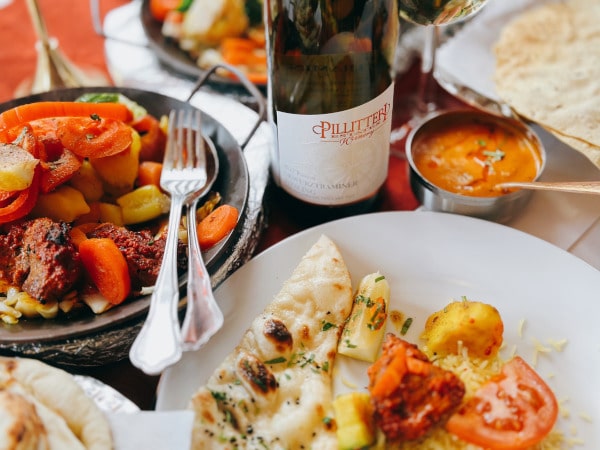
- Inniskillin Riesling Icewine: A world-class icewine from Ontario that impresses with its perfect balance of sweetness and acidity.
- Cave Spring CSV Riesling: An elegant and mineral Riesling from the Niagara Peninsula that impresses with its lively acidity and complex flavours.
- Tantalus Vineyards Old Vines Riesling: An intense and mineral Riesling from the Okanagan Valley that impresses with its clear fruit and pronounced acidity.
- Mission Hill Reserve Riesling: A high-quality Riesling from the Okanagan Valley that impresses with its intense fruit, lively acidity and great ageing potential.
Riesling is one of the most prominent white grape varieties in Canada and offers an impressive variety of styles and flavour profiles. From the mineral and elegant Rieslings of the Niagara Peninsula to the intense and fruity Rieslings of the Okanagan Valley, Canadian Riesling offers something for everyone. Online sales make it easy for you to discover and enjoy these exceptional wines.
5.1.2 Chardonnay
Chardonnay is one of the most versatile and widely cultivated white grape varieties in Canada. This grape variety thrives in almost all of the country’s major wine regions and produces an impressive variety of wine styles – from fresh, fruity white wines to complex, oak-aged wines. In this section, we look at the special features of Canadian Chardonnay, the growing regions, important wineries and the reasons why you should buy Canadian Chardonnay online.
5.1.2.1. Characteristics and flavours of Canadian Chardonnay
Chardonnay is a versatile grape variety that adapts perfectly to different climates and soil types. Canadian Chardonnay is known for:
- Flavours: The aromas of Canadian Chardonnay can range from citrus, green apple and pear to tropical fruit, butter and vanilla, depending on vinification and ageing.
- Taste: These wines vary greatly in style and flavour, depending on the winemaking process. They can be light and tangy or rich and creamy, often with a balanced acidity and a hint of oak in the barrel-aged wines.
5.1.2.2. Chardonnay growing regions in Canada
Niagara Peninsula, Ontario
The Niagara Peninsula is one of the leading regions for the production of high-quality Chardonnay in Canada. Its proximity to the Great Lakes creates a unique microclimate that is ideal for growing this grape variety.
- Climatic advantages: The moderating influences of Lake Ontario and Lake Erie ensure cool nights and warm days, which promote the development of intense fruit flavours and lively acidity.
- Soil composition: The calcareous and loamy soils provide excellent drainage and give the wines a special minerality.
Prince Edward County, Ontario
Prince Edward County is known for its chalky soils and cool climate, which is particularly well suited to the production of elegant and mineral Chardonnays.
- Climatic advantages: The cool nights and the moderating influences of Lake Ontario promote the slow ripening of the grapes, resulting in complex flavours and balanced acidity.
- Soil composition: The highly calcareous soils contribute to the minerality and finesse of the wines.
Okanagan Valley, British Columbia
The Okanagan Valley offers an impressive variety of microclimates and soil types that are ideal for growing Chardonnay.
- Climatic advantages: Hot summer days and cool nights promote the development of intense flavours and a balanced acid structure. The long growing season allows the grapes to ripen slowly, resulting in intense flavour profiles.
- Soil characteristics: The volcanic and alluvial soils of the Okanagan Valley contribute to the minerality and complexity of the wines.
5.1.2.3. Recommendations for Canadian Chardonnay wines
Here are some recommendations for outstanding Chardonnay wines from Canada that you should definitely try:
- Queenston Mile Vineyard Chardonnay: The Queenston Mile Vineyard Chardonnay has an inviting aroma of ripe apples and juicy pears, underlaid with creamy vanilla, caramel and roasted hazelnuts. On the palate, it captivates with a great melting texture and a wonderful combination of fruitiness and elegance.
- Tawse Quarry Road Chardonnay: An elegant and mineral Chardonnay from the Niagara Peninsula that impresses with its lively acidity and complex flavours.
- Norman Hardie County Chardonnay: An outstanding Chardonnay from Prince Edward County that impresses with its fine structure and pronounced minerality.
- Mission Hill Reserve Chardonnay: A high-quality Chardonnay from the Okanagan Valley that impresses with its intense fruit, lively acidity and great ageing potential.
- Quails’ Gate Stewart Family Reserve Chardonnay: A complex and well-structured Chardonnay from the Okanagan Valley that impresses with its balance of fruit and oak flavours.
Chardonnay is one of the most versatile and widely grown white grape varieties in Canada and offers an impressive variety of styles and flavour profiles. From the elegant and mineral Chardonnays of Ontario to the intense and fruity Chardonnays of the Okanagan Valley, Canadian Chardonnay offers something for everyone. Online sales make it easy for you to discover and enjoy these exceptional wines.
5.1.3. Vidal
Vidal is an exceptional white grape variety that thrives particularly well in Canada’s cooler climates. This hybrid grape variety is best known for its role in the production of ice wines and has established itself as one of the most important grape varieties in Ontario and Quebec. In this section, we will look at the special characteristics of Canadian Vidal, the growing regions, important wineries and the reasons why you should buy Canadian Vidal online.
5.1.3.1. Properties and flavours of Canadian Vidal
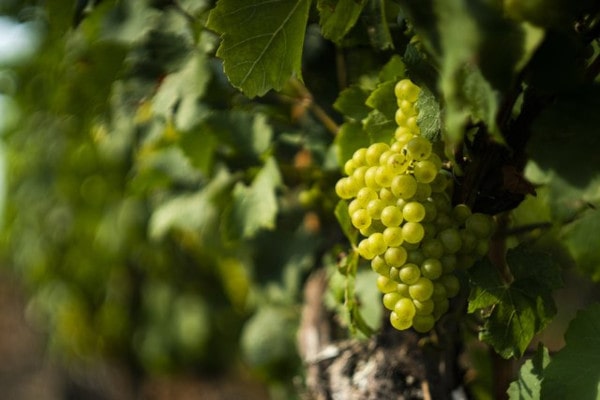
Vidal is a robust hybrid grape variety that has been specially bred for cold climates. It is characterised by its resistance to frost and its ability to produce high-quality wines even under extreme conditions.
- Aromas: Vidal wines are characterised by aromas of tropical fruit, peach, apricot and citrus fruits. The ice wines of this variety are particularly intense and sweet, with an excellent balance of acidity and sweetness.
- Flavour: Vidal wines are generally semi-dry to sweet, with a pronounced fruity aroma and refreshing acidity. The ice wines are particularly concentrated and offer an intense flavour experience.
5.1.3.2. Vidal growing regions in Canada
Niagara Peninsula, Ontario
The Niagara Peninsula is the most important growing region for Vidal in Canada. The region offers ideal conditions for the production of high-quality ice wines.
- Climatic advantages: The cold winters in the Niagara Peninsula are perfect for making ice wine, as the grapes can freeze on the vine. The moderating influences of the Great Lakes prevent extreme temperature fluctuations and extend the growing season.
- Soil composition: The calcareous and loamy soils of the region provide excellent drainage and contribute to the minerality of the wines.
Eastern Townships, Quebec
The Eastern Townships are another important growing area for Vidal, especially for the production of ice wines and aromatic white wines.
- Climatic advantages: The cool summers and cold winters in the Eastern Townships promote the slow ripening of the grapes and enable the production of intense, fruity wines. The cold winters are ideal for ice wine production.
- Soil conditions: The sandy and calcareous soils provide good drainage and promote the development of complex flavours in the wines.
5.1.3.3. Recommendations for Canadian Vidal wines
Here are some recommendations for outstanding Vidal wines from Canada that you should definitely try:
- Inniskillin Vidal Icewine: A world-class icewine from Ontario that impresses with its perfect balance of sweetness and acidity.
- Peller Estates Signature Series Vidal Icewine: A high-quality icewine from the Niagara Peninsula that impresses with its intense fruit, lively acidity and long shelf life.
- Domaine Pinnacle Vidal Icewine: An excellent icewine from the Eastern Townships, which impresses with its rich fruit, pronounced sweetness and harmonious acid structure.
- Vignoble de L’Orpailleur Vidal: An elegant and complex Vidal wine from Quebec that impresses with its freshness and intense fruit flavours.
Vidal is an exceptional white grape variety that thrives in Canada’s cool climates. In Ontario and Quebec in particular, Vidal has established itself as one of the most important grape varieties, especially for the production of ice wines. These wines offer a unique taste experience and are recognised worldwide for their high quality and complexity. Online sales allow you to discover and enjoy these exceptional wines at your convenience.
5.1.4 Sauvignon Blanc
Sauvignon Blanc is one of the most popular and versatile white grape varieties in the world and has also found a firm place in Canada. This grape variety is grown particularly in the cooler regions of British Columbia and Ontario and produces fresh, aromatic wines. In this section, we look at the special characteristics of Canadian Sauvignon Blanc, the growing regions, important wineries and the reasons why you should buy Canadian Sauvignon Blanc online.
5.1.4.1. Characteristics and flavours of the Canadian Sauvignon Blanc
Sauvignon Blanc is known for its lively acidity and distinctive flavours. Canadian Sauvignon Blanc is characterised by the following properties:
- Flavours: The aromas of Canadian Sauvignon Blanc range from citrus fruit, green apple and gooseberry to tropical fruit and grassy notes. Some wines also have mineral undertones.
- Flavour: These wines are generally dry, with a crisp, refreshing structure. The lively acidity and intense fruit flavours make Sauvignon Blanc a perfect companion for a wide variety of dishes.
5.1.4.2. Main growing regions for Sauvignon Blanc in Canada
Niagara Peninsula, Ontario
The Niagara Peninsula is one of the most important growing regions for Sauvignon Blanc in Canada. Its proximity to the Great Lakes creates an ideal microclimate for growing this grape variety.
- Climatic advantages: The moderating influences of Lake Ontario and Lake Erie ensure cool nights and warm days, which promote the development of intense fruit flavours and lively acidity.
- Soil composition: The calcareous and loamy soils provide excellent drainage and give the wines a special minerality.
Okanagan Valley, British Columbia
The Okanagan Valley is known for its variety of microclimates and soil types that are ideal for growing Sauvignon Blanc.
- Climatic advantages: Hot summer days and cool nights promote the development of complex flavours and a balanced acid structure. The long growing season allows the grapes to ripen slowly, resulting in intense flavour profiles.
- Soil characteristics: The volcanic and alluvial soils of the Okanagan Valley contribute to the minerality and complexity of the wines.
Fraser Valley, British Columbia
The Fraser Valley, near Vancouver, offers a temperate climate influenced by the Pacific Ocean. These conditions are ideal for growing aromatic white wines such as Sauvignon Blanc.
- Climatic advantages: The temperate climate with cool nights and warm days promotes the freshness and flavour of the wines. The proximity to the sea ensures mild temperatures and an extended growing season.
- Soil composition: The fertile soils are mostly sandy-loamy, which ensures good drainage and nutrient supply.
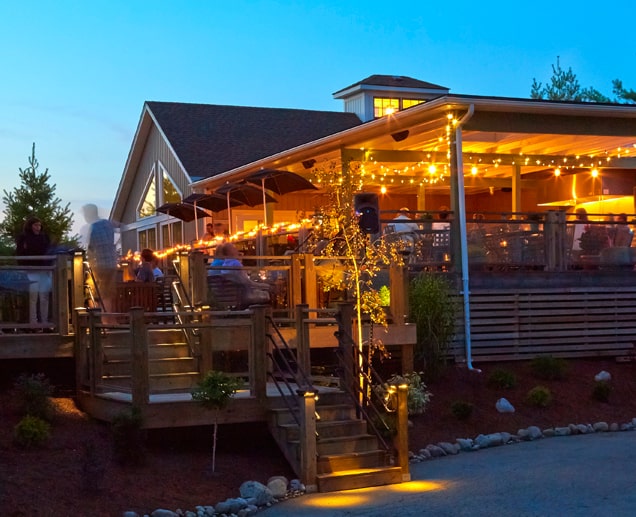
5.1.4.3. Recommendations for Canadian Sauvignon Blanc wines
Here are some recommendations for outstanding Sauvignon Blanc wines from Canada that you should definitely try:
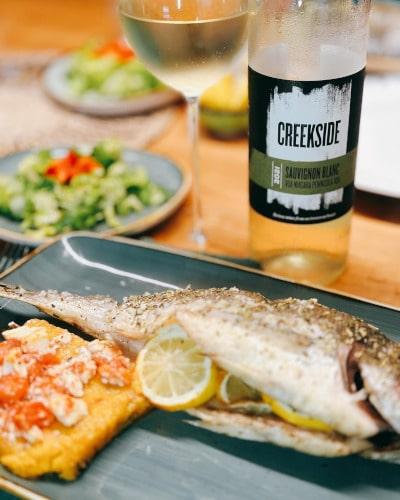
- Creekside Estate Winery Sauvignon Blanc: The Creekside Sauvignon Blanc seduces with a delicately fruity aroma of pears, gooseberries and citrus notes. These delicate flavours are accompanied by notes of pea pods and fennel. On the palate, this Canadian white wine is animatingly fresh and juicy, with a delicate acidity and good balance.
- Jackson-Triggs Reserve Sauvignon Blanc: A fresh and aromatic Sauvignon Blanc from the Niagara Peninsula that impresses with its lively acidity and intense fruit flavours.
- Peller Estates Private Reserve Sauvignon Blanc: A high-quality Sauvignon Blanc from Ontario that impresses with its perfect balance of fruit and acidity and its fine minerality.
- Mission Hill Reserve Sauvignon Blanc: An aromatic and well-structured Sauvignon Blanc from the Okanagan Valley that impresses with its complexity and fine mineral notes.
- Quails’ Gate Sauvignon Blanc: An intense and fruity Sauvignon Blanc from the Okanagan Valley that impresses with its lively acidity and its ability to develop more complex flavours over time.
Sauvignon Blanc is one of the most versatile and popular white grape varieties in Canada, offering an impressive variety of styles and flavour profiles. From the fresh and aromatic Sauvignon Blancs of the Niagara Peninsula to the complex and well-structured Sauvignon Blancs of the Okanagan Valley, Canadian Sauvignon Blanc offers something for everyone. Online sales make it easy for you to discover and enjoy these exceptional wines.
5.2. Red varieties
Canada is not only known for its excellent white wines, but also produces some outstanding red wines. Thanks to the diverse climatic conditions and the different soil characteristics of the country’s wine regions, various red grape varieties thrive particularly well here. In this section, we introduce Canada’s most important red grape varieties, highlight their special characteristics and flavours, their preferred growing regions, important wineries and the reasons why you should buy Canadian red wines online.
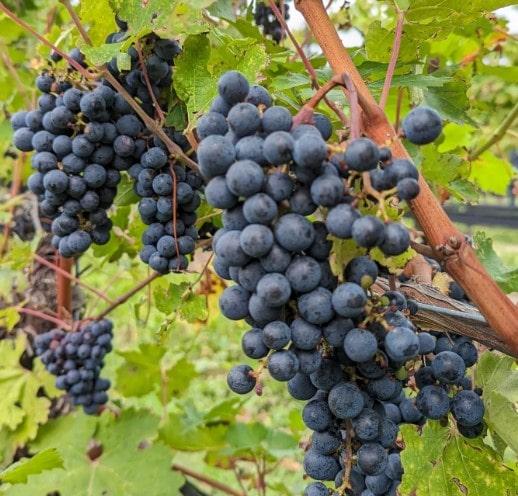
5.2.1 Pinot Noir
Pinot Noir is one of the most demanding and noble red grape varieties in the world, and Canada has established itself as a first-class producer of this delicate grape. Especially in the cooler regions such as Ontario and British Columbia, Pinot Noir thrives and produces wines that can compete with the best Burgundies. In this section, we look at the special characteristics of Canadian Pinot Noir, the growing regions, important wineries and the reasons why you should buy Canadian Pinot Noir online.
5.2.1.1. Characteristics and flavours of Canadian Pinot Noir
Pinot Noir is known for its fine structure, its complexity and its ability to reflect the terroir in which it grows. Canadian Pinot Noir is characterised by the following characteristics:
- Flavours: Pinot Noir wines from Canada offer a wide range of aromas, including red berries such as cherry and strawberry, flowers, spices and often an earthy note. With age, the wines develop more complex flavours of mushrooms and undergrowth.
- Flavour: These wines are generally medium-bodied with soft tannins and a lively acidity. They offer a refined balance between fruit, acidity and structure, making them a versatile accompaniment for a wide range of dishes.
5.2.1.2. Main growing areas for Pinot Noir in Canada
Niagara Peninsula, Ontario
The Niagara Peninsula is one of Canada’s best-known wine regions and offers ideal conditions for growing Pinot Noir. The proximity to the Great Lakes creates a unique microclimate that allows the grapes to ripen slowly and evenly.
- Climatic advantages: The moderating influences of Lake Ontario and Lake Erie ensure cool nights and warm days, which promotes the development of intense fruit flavours and lively acidity.
- Soil composition: The calcareous and loamy soils provide excellent drainage and give the wines a special minerality.
Prince Edward County, Ontario
Prince Edward County is known for its chalky soils and cool climate, which are particularly well suited to the production of elegant and mineral Pinot Noirs.
- Climatic advantages: The cool nights and the moderating influences of Lake Ontario promote the slow ripening of the grapes, resulting in complex flavours and balanced acidity.
- Soil composition: The highly calcareous soils contribute to the minerality and finesse of the wines.
Okanagan Valley, British Columbia
The Okanagan Valley offers an impressive variety of microclimates and soil types that are ideal for growing Pinot Noir.
- Climatic advantages: Hot summer days and cool nights promote the development of intense flavours and a balanced acid structure. The long growing season allows the grapes to ripen slowly, resulting in intense flavour profiles.
- Soil characteristics: The volcanic and alluvial soils of the Okanagan Valley contribute to the minerality and complexity of the wines.
5.2.1.3. Characteristics and flavours of the Canadian Pinot Noir
Here are some recommendations for outstanding Pinot Noir wines from Canada that you should definitely try:
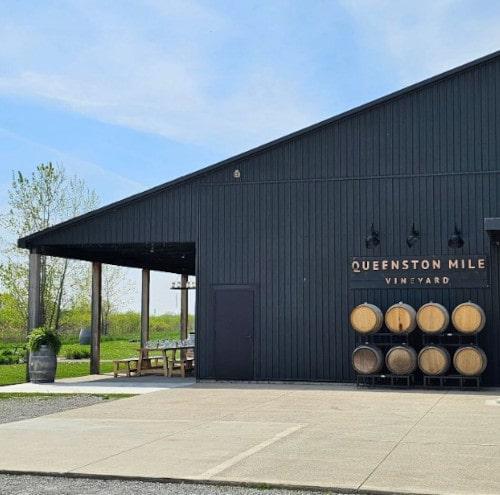
- Queenston Mile Vineyard Pinot Noir: The Queenston Mile Pinot Noir has a delicate aroma of cherries, strawberries and beetroot, accompanied by slightly earthy notes and hints of wild mushrooms. The cherry flavours continue beguilingly on the palate, underpinned by warm, spicy tones.
- Norman Hardie County Pinot Noir: An elegant and mineral Pinot Noir from Prince Edward County that impresses with its fine structure and complex flavours.
- Tawse Quarry Road Pinot Noir: A high-quality Pinot Noir from the Niagara Peninsula that impresses with its balance of fruit and acidity and its mineral notes.
- Quails’ Gate Stewart Family Reserve Pinot Noir: An intense and complex Pinot Noir from the Okanagan Valley that impresses with its deep fruit flavours and fine structure.
- Mission Hill Reserve Pinot Noir: An aromatic and well-structured Pinot Noir from the Okanagan Valley that impresses with its complexity and fine mineral notes.
Pinot Noir is one of the most sophisticated and noble red grape varieties, and Canada has established itself as a first-class producer of this delicate grape. From the elegant and mineral Pinot Noirs of Ontario to the intense and fruity Pinot Noirs of the Okanagan Valley, Canadian Pinot Noir has something for everyone. Online sales make it easy for you to discover and enjoy these exceptional wines.
5.2.2 Cabernet Franc
Cabernet Franc is one of Canada’s most important red grape varieties and has established itself particularly well in the cooler wine regions of the country. This grape variety is known for its aromatic complexity, its versatility and its ability to produce high-quality wines under different climatic conditions. In this section, we highlight the special characteristics of Canadian Cabernet Franc, the growing regions, important wineries and the reasons why you should buy Canadian Cabernet Franc online.
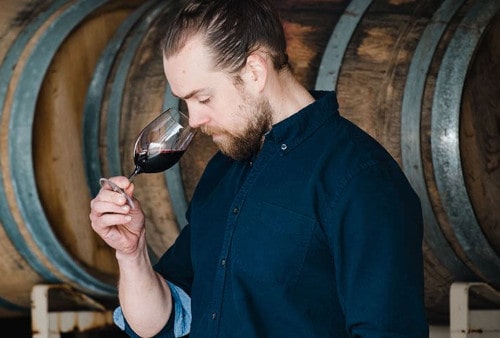
5.2.2.1. Characteristics and flavours of the Canadian Cabernet Franc
Cabernet Franc is known for its aromatic complexity and its ability to reflect the terroirs in which it grows. Canadian Cabernet Franc is characterised by the following characteristics:
- Flavours: Cabernet Franc wines from Canada offer a wide range of flavours, including red and black berries such as raspberry, cherry and blackberry, as well as notes of paprika, herbs and spices. These wines can also have floral and earthy nuances.
- Flavour: These wines are generally medium to full-bodied, with soft tannins and a lively acidity. They offer a sophisticated balance between fruit, acidity and structure, making them versatile accompaniments for a wide range of dishes.
5.2.2.2. Main growing areas for Cabernet Franc in Canada
Niagara Peninsula, Ontario
The Niagara Peninsula is one of Canada’s best-known wine regions and offers ideal conditions for growing Cabernet Franc. The proximity to the Great Lakes creates a unique microclimate that allows the grapes to ripen slowly and evenly.
- Climatic advantages: The moderating influences of Lake Ontario and Lake Erie ensure cool nights and warm days, which promotes the development of intense fruit flavours and lively acidity.
- Soil composition: The calcareous and loamy soils provide excellent drainage and give the wines a special minerality.
Lake Erie North Shore, Ontario
The mild climate and sandy loam soils of the Lake Erie North Shore region offer perfect conditions for growing Cabernet Franc.
- Climatic advantages: The warm summer days and mild winters promote the ripening of the grapes and contribute to the development of complex flavours.
- Soil conditions: The sandy loam soils provide good drainage and promote root development, resulting in strong and well-structured wines.
Okanagan Valley, British Columbia
The Okanagan Valley offers an impressive variety of microclimates and soil types that are ideal for growing Cabernet Franc.
- Climatic advantages: Hot summer days and cool nights promote the development of intense flavours and a balanced acid structure. The long growing season allows the grapes to ripen slowly, resulting in intense flavour profiles.
- Soil characteristics: The volcanic and alluvial soils of the Okanagan Valley contribute to the minerality and complexity of the wines.

5.2.2.3. Canadian Cabernet Franc wine recommendations
Here are some recommendations for outstanding Cabernet Franc wines from Canada that you should definitely try:
- Backyard Vineyard Social Cabernet Franc: The Backyard Vineyards Social Cabernet Franc seduces with an appealing, fruity aroma of cherries, strawberries, cranberries and raspberries. There are also notes of fresh herbs, laurel, vanilla and liquorice.
- Inniskillin Reserve Cabernet Franc: A high-quality Cabernet Franc from the Niagara Peninsula that impresses with its aromatic complexity, elegant structure and balanced acidity.
- Peller Estates Private Reserve Cabernet Franc: An intense and well-structured Cabernet Franc from Ontario that impresses with its rich fruit, soft tannins and lively acidity.
- Pelee Island Cabernet Franc: A fruity and full-bodied Cabernet Franc from Lake Erie North Shore that impresses with its balance and complexity.
- Black Hills Estate Cabernet Franc: An intense and complex Cabernet Franc from the Okanagan Valley that impresses with its deep fruitiness, complex spice notes and impressive length.
Cabernet Franc is one of Canada’s most important red grape varieties and offers an impressive variety of styles and flavour profiles. From the elegant and complex Cabernet Francs of the Niagara Peninsula to the intense and well-structured wines of the Okanagan Valley, Canadian Cabernet Franc offers something for everyone. Online sales make it easy for you to discover and enjoy these exceptional wines.
5.2.3 Merlot
Merlot is one of the most widely cultivated red grape varieties in the world and also thrives in Canada. This grape variety is known for its softness, fruity flavours and versatility. In Canada, Merlot wines are mainly produced in British Columbia and Ontario, where they are characterised by their quality and complexity. In this section, we look at the special characteristics of Canadian Merlot, the growing regions, important wineries and the reasons why you should buy Canadian Merlot online.
5.2.3.1. Characteristics and flavours of Canadian Merlot
Merlot is a versatile grape variety that adapts excellently to different climatic conditions and soil types. Canadian Merlot is characterised by the following properties:
- Flavours: Merlot wines from Canada offer a wide range of flavours, including black cherries, plums, chocolate, coffee and herbs. These wines often have a velvety texture and rich fruit flavours.
- Taste: Flavour: Merlot wines are generally full-bodied, with soft tannins and a balanced acidity. They are often accessible and offer a pleasant drinking experience with a good balance between fruit, acidity and structure.
5.2.3.2. Main growing areas for Merlot in Canada
Okanagan Valley, British Columbia
The Okanagan Valley is known for its full-bodied and fruity Merlot wines, which benefit from the hot days and cool nights.
- Climatic advantages: Hot summer days and cool nights promote the development of intense fruit flavours and a balanced acid structure. The long growing season allows the grapes to ripen slowly, resulting in intense flavour profiles.
- Soil characteristics: The volcanic and alluvial soils of the Okanagan Valley contribute to the minerality and complexity of the wines.
Niagara Peninsula, Ontario
Merlot also thrives in the Niagara Peninsula, where the wines are characterised by their fruitiness and soft tannins.
- Climatic advantages: The moderating influences of Lake Ontario and Lake Erie ensure cool nights and warm days, which promotes the development of intense fruit flavours and lively acidity.
- Soil composition: The calcareous and loamy soils provide excellent drainage and give the wines a special minerality.
5.2.3.3. Canadian Merlot wine recommendations
Here are some recommendations for outstanding Merlot wines from Canada that you should definitely try:
- Pillitteri Estates Winery Exclamation Merlot: A wonderful, complex aroma of black cherry, candied liquorice, blackberry and blueberry compote flows from the glass of Pillitteri Exclamation Merlot, underpinned by subtle aromas of cloves and fresh mint leaves.
- Burrowing Owl Merlot: A full-bodied and fruity Merlot from the Okanagan Valley that impresses with its complexity and velvety texture.
- Mission Hill Reserve Merlot: A high-quality Merlot from the Okanagan Valley that impresses with its intense fruit, lively acidity and great ageing potential.
- Henry of Pelham Estate Merlot: An elegant and fruity Merlot from the Niagara Peninsula that captivates with its softness and accessibility.
- Jackson-Triggs Reserve Merlot: A fresh and aromatic Merlot from Ontario that impresses with its lively acidity and intense fruit flavours.
Merlot is one of the most versatile and widely grown red grape varieties in Canada, offering an impressive variety of styles and flavour profiles. From the full-bodied and fruity Merlots of the Okanagan Valley to the elegant and smooth Merlots of the Niagara Peninsula, Canadian Merlot offers something for everyone. Online sales make it easy for you to discover and enjoy these exceptional wines.
5.2.4 Syrah
Syrah, also known as Shiraz, is a powerful red grape variety that thrives in the warmer wine regions of Canada. This grape variety is characterised by its intense aromas, its deep colour and its ability to produce high-quality wines under different climatic conditions. In Canada, Syrah is primarily grown in British Columbia, where it is used to make powerful, complex wines. In this section, we look at the special characteristics of Canadian Syrah, the growing regions, important wineries and the reasons why you should buy Canadian Syrah online.
5.2.4.1. Characteristics and flavours of Canadian syrah
Syrah is known for its strong aromas and intense colour. Canadian Syrah is characterised by the following properties:
- Flavours: Syrah wines from Canada offer a wide range of aromas, including dark berries such as blackberry and blackcurrant, plums, black pepper, spices, chocolate and sometimes smoky or meaty notes.
- Taste: These wines are generally full-bodied, with strong tannins and balanced acidity. They offer a complex structure and a long finish, making them ideal accompaniments for rich dishes.
5.2.4.2. Growing regions for Syrah in Canada
Okanagan Valley, British Columbia
The Okanagan Valley is the most important growing region for Syrah in Canada. The region offers ideal conditions for growing this grape variety, which produces some of the best Syrah wines in the country.
- Climatic advantages: Hot summer days and cool nights promote the development of intense flavours and a balanced acid structure. The long growing season allows the grapes to ripen slowly, resulting in complex flavour profiles.
- Soil characteristics: The volcanic and alluvial soils of the Okanagan Valley contribute to the minerality and complexity of the wines.
Similkameen Valley, British Columbia
The Similkameen Valley is an up-and-coming wine region that also offers excellent conditions for growing Syrah.
- Climatic advantages: The dry climate and the high temperature differences between day and night promote the development of intense flavours and strong tannins.
- Soil characteristics: The stony, well-drained soils of the Similkameen Valley contribute to the minerality and structure of the wines.
5.2.4.3. Recommendations for Canadian Syrah wines
Here are some recommendations for outstanding Syrah wines from Canada that you should definitely try:
- Creekside Estate Winery Syrah: The Creekside Syrah from Niagara seduces with very fruity and spicy notes, ripe raspberries with all kinds of spicy notes. There are also the typical varietal flavours of black pepper, accompanied by an earthy, undergrowth touch.
- Black Hills Estate Syrah: An intense and complex Syrah from the Okanagan Valley that impresses with its deep fruitiness, complex spice notes and impressive length.
- Burrowing Owl Syrah: A powerful and elegant Syrah from the Okanagan Valley that impresses with its deep fruit flavours, smoky notes and elegant structure.
- Le Vieux Pin Syrah: A high-quality Syrah from the Okanagan Valley that impresses with its balance of fruit and acidity as well as its complex flavours.
- Clos du Soleil Syrah: A mineral and powerful Syrah from the Similkameen Valley that impresses with its complex flavours, strong tannins and impressive length.
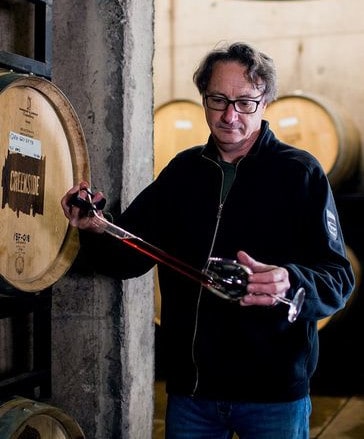
Syrah is one of the most powerful and versatile red grape varieties, and Canada has established itself as a world-class producer of this grape. From the intense and complex Syrahs of the Okanagan Valley to the mineral and powerful Syrahs of the Similkameen Valley, Canadian Syrah offers something for everyone. Online sales make it easy for you to discover and enjoy these exceptional wines.
5.3. Hybrid varieties
Canada has not only made a name for itself with classic European grape varieties, but also with a large number of hybrid varieties that have been specially developed for the country’s cool climate conditions and unique soils. These hybrid varieties are robust, resistant to frost and disease and still produce high quality wines. In this section, we highlight the special characteristics of the most important Canadian hybrid varieties, their growing regions, important wineries and the reasons why you should buy hybrid wines online.
5.3.1. The main hybrid varieties in Canada
Vidal
Vidal (see 5.1.3.) is one of the best-known hybrid varieties in Canada, particularly well known for the production of ice wines. It is a cross between the European grape variety Ugni Blanc and the American variety Rayon d’Or.
Maréchal Foch
Maréchal Foch is an early-maturing, frost-resistant hybrid variety that grows particularly well in the cooler regions of Canada. This variety is named after the French Marshal Ferdinand Foch.
- Characteristics and aromas: Maréchal Foch wines are deep red, often almost black, and offer aromas of dark berries, plums, chocolate and spices. They have soft tannins and a good acid structure.
- Growing regions: Mainly grown in British Columbia and Ontario, where the cool nights and warm days contribute to the development of intense flavours.
- Important wineries: Quails’ Gate Winery (Okanagan Valley, British Columbia), Summerhill Pyramid Winery (Okanagan Valley, British Columbia), Domaine de Grand Pré (Annapolis Valley, Nova Scotia).
Baco Noir
Baco Noir is a French hybrid grape variety that adapts particularly well to the climatic conditions in Canada. This variety is a cross between the European grape variety Folle Blanche and an American grape variety.
- Characteristics and aromas: Baco Noir wines are known for their deep dark colour and aromas of black cherries, plums, smoke and spices. They have a strong structure and lively acidity.
- Growing regions: Mainly grown in Ontario and Nova Scotia, where the cool temperatures and long sunny days contribute to the development of intense flavours.
- Important wineries: Henry of Pelham (Niagara Peninsula, Ontario), Sandbanks Estate Winery (Prince Edward County, Ontario), Blomidon Estate Winery (Annapolis Valley, Nova Scotia).
5.3.2. Recommendations for Canadian wines from hybrid varieties
Here are some recommendations for outstanding wines made from Canadian hybrid varieties that you should definitely try:
- Inniskillin Vidal Icewine: A world-class icewine from Ontario that impresses with its perfect balance of sweetness and acidity.
- Quails’ Gate Maréchal Foch: An intense and complex red wine from the Okanagan Valley that impresses with its deep fruit flavours and soft tannins.
- Henry of Pelham Baco Noir: A powerful and aromatic red wine from the Niagara Peninsula that impresses with its dark fruit flavours and lively acidity.
- Domaine de Grand Pré Maréchal Foch: An elegant and well-structured red wine from Nova Scotia that impresses with its balance and complexity.
Hybrid varieties play an important role in the Canadian wine industry and offer an impressive variety of styles and flavour profiles. From the intense and sweet ice wines of the Vidal grape to the bold and aromatic red wines of Maréchal Foch and Baco Noir, Canadian hybrid varieties offer something for everyone. Online sales make it easy for you to discover and enjoy these exceptional wines.
6. Special features of Canadian viticulture
Canadian viticulture has developed enormously in recent decades and is characterised by some unique features. These characteristics contribute to the uniqueness and quality of Canadian wines and make them sought after worldwide. In this section, we look at the various aspects that make Canadian viticulture special, including the climatic conditions, the innovative cultivation methods and the particular styles of wine produced in Canada.
6.1. Icewine
Icewine or ice wine is one of the best known and most prestigious specialities of Canadian viticulture. These highly concentrated, sweet wines are made from grapes that are harvested and pressed while frozen. Canada’s unique climatic conditions provide ideal conditions for the production of ice wine, which is recognised worldwide for its quality and intensity. In this section, we look at the special features of Canadian ice wine, the production methods, the most important growing regions and wineries and the reasons why you should buy Canadian ice wine online.
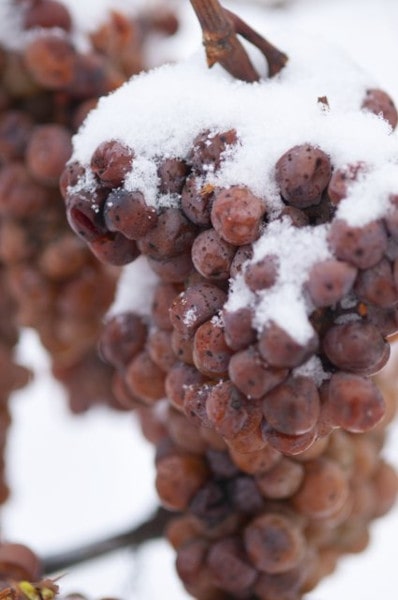
6.1.1. Characteristics of Canadian ice wine
Ice wine is characterised by its intense aromas, natural sweetness and perfect balance of acidity and fruit. These wines offer an unrivalled taste experience that sets them apart from other dessert wines.
- Flavours: Canadian Icewine offers a wide range of flavours, including tropical fruits such as pineapple and mango, stone fruits such as peach and apricot, and notes of honey and citrus.
- Taste: The wines are intensely sweet, but at the same time have a lively acidity that gives them freshness and balance. This prevents the wine from being too heavy or syrupy.
- Body and texture: Ice wines are often full-bodied and have a syrupy texture that still feels light and refreshing.
6.1.2. Ice wine production
Ice wine is one of the most outstanding and best-known specialities of Canadian viticulture. The production of ice wine requires special climatic conditions and a great deal of craftsmanship, which makes these wines special. In this section, we will take a detailed look at the production and special features of ice wine to give you an exciting insight into this exceptional wine speciality.
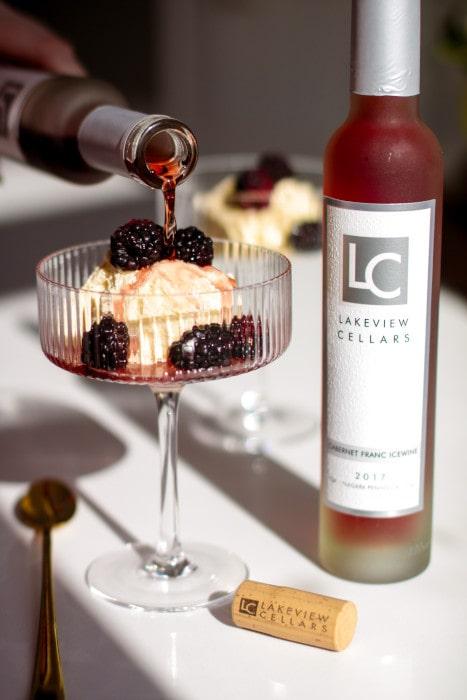
The production of ice wine is a process that requires precision, patience and the right climatic conditions. Here are the most important steps and factors that play a role in the production of ice wine:
1. Selection of grape varieties
Ice wine can be made from different grape varieties, but in Canada, Vidal, Riesling and Cabernet Franc are the most commonly used varieties. These grape varieties are particularly suitable as they have a high natural acidity and robust grape skins that can survive the freezing process.
2. Waiting for the frost
The decisive factor in the production of ice wine is frost. The grapes must freeze on the vine before they can be harvested. In Canada, this usually happens in December or January, when temperatures drop to -8°C or colder.
3. Harvest
Harvesting often takes place at night or in the early hours of the morning, when temperatures are at their lowest. The frozen grapes are harvested by hand to ensure that they remain intact. This labour-intensive process is crucial for the quality of the end product.
4. Pressing
The frozen grapes are pressed immediately. As the water in the grapes is frozen, the result is a highly concentrated must with an intense sugar and acid content. This results in the characteristically sweet but well-balanced ice wines.
5. Fermentation
The highly concentrated must is fermented slowly, often over several weeks or months. Fermentation can take place at low temperatures in order to preserve the fresh fruit flavours and emphasise the natural sweetness of the wine.
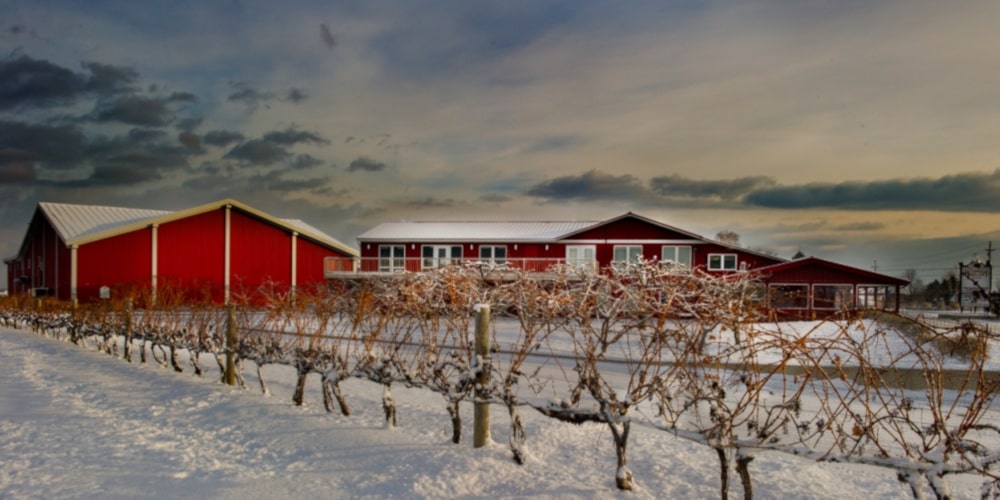
6.1.3. Specialities of ice wine
Ice wine is characterised by several unique properties that distinguish it from other wines:
1. Intense flavour
Ice wines are known for their intense aromas and flavour profiles. They often offer notes of tropical fruit, honey, apricot and peach. The high concentration of sugar and acidity ensures a perfect balance between sweetness and freshness.
2. High quality and exclusivity
The complex production process and limited quantities make ice wine an exclusive and high-quality wine speciality. The strict climatic requirements mean that ice wine cannot be produced every year, which increases its rarity and value.
3. Versatility when combining with food
Ice wine is an extremely versatile wine that goes well with a variety of dishes. It harmonises particularly well with desserts, blue cheese, foie gras and spicy Asian dishes. Its intense sweetness and lively acidity make it a perfect companion for special occasions.
6.1.4. Recommendations for Canadian ice wines
Here are some recommendations for outstanding Canadian ice wines that you should definitely try:
- Pillitteri Carretto Vidal Icewine: The Pillitteri Carretto Vidal Icewine is a great ice wine that exudes fantastic flavours of floral notes, honey, candied orange peel, peach and apricot.
- Pillitteri Reserve Riesling Icewine: Der Pillitteri Reserve Riesling Icewine ist reich an Zitronenschale, Melone, Walnuss. Mit einem Spritzer Honig ist dieser üppige Eiswein ebenso komplex wie genussvoll.
- Lakeview Vidal Icewine: The Lakeview Vidal Icewine seduces with delicious flavours of lychee, pineapple, nectarine and freshly harvested citrus fruits. On the palate, it is multi-layered with a well-supporting and delicate acidity as a backbone.
- Lakeview Cabernet Franc Icewine: The Lakeview Cabernet Franc Icewine has rich flavours of strawberry, cranberry and cherry. On the palate, there are deeper, more complex peppery flavours that balance the sweetness beautifully.
- Inniskillin Vidal Icewine: A world-class icewine from Ontario that impresses with its perfect balance of sweetness and acidity. Flavours of tropical fruit and honey make this wine an unforgettable taste experience.
- Peller Estates Riesling Icewine: A high-quality ice wine from the Niagara Peninsula that impresses with its intense fruit, lively acidity and complex flavours.
- Jackson-Triggs Cabernet Franc Icewine: A unique icewine made from red Cabernet Franc that impresses with its red berry flavours and full-bodied texture.
- Domaine Pinnacle Vidal Icewine: An excellent icewine from Quebec that impresses with its rich fruit, pronounced sweetness and harmonious acid structure.
The production of ice wine is a fascinating and complex process that requires a great deal of skill and the right climatic conditions. Canadian icewine is recognised worldwide for its outstanding quality and intense flavours. Online sales allow you to discover and enjoy these exceptional wines at your convenience. Whether you are a wine lover or looking for a special gift, Canadian Icewine offers an unrivalled taste experience.
7. Conclusion
In recent decades, Canada has established itself as a remarkable wine country, recognised by both experts and wine lovers worldwide. The combination of unique climatic conditions, innovative cultivation methods and a passion for quality has made Canadian wines a permanent fixture on the international wine scene. From the fresh, mineral whites of British Columbia to the elegant, complex reds of Ontario and the sweet, highly concentrated ice wines that are unrivalled worldwide, the diversity and quality of Canadian wines is impressive.
These wines offer an exciting variety of flavours and styles that will delight any wine lover. The growing international success of Canadian wines is a testament to their outstanding quality and special character. Discover the best wines from Canada and let yourself be enchanted by their uniqueness – it’s a journey you won’t regret.
