



New Zealand Wines, Wine and Food, Wines from Australia
Does red wine go with fish

Feb
A journey of discovery into the world of perfect pairings
table of contents
- A journey of discovery into the world of perfect pairings
- White wine and fish: the better partner?
- Rosé and fish: how do they go together?
- Red wine and fish: under what conditions is this a harmonious combination?
- Breaking the myth: not all red wines overpower the flavour of fish
- Certain fish species and their affinity to red wine
- The importance of the preparation method (roasted, grilled, steamed) for the choice of wine
- Recommendations for red wines that go well with fish, with a focus on lighter and fruitier varieties
- Side dishes that can build a bridge between red wine and fish
- Recipe ideas with red wine and fish
- Practical tips for preparation and wine selection: Tipps für die Zubereitung und Weinwahl:
- Conclusion
Wine and food pairing is an art form as old as viticulture and the culinary arts themselves. A good understanding of this art can transform the dining experience from the ground up, enhancing the flavours of both wine and food and creating a harmonious overall impression. Traditionally, wine and food pairing is based on a number of unwritten rules, such as the classic pairing of red wine with red meat and white wine with fish and poultry. These conventions are based on the flavour harmonies and contrasts that certain wines create with certain foods.
Traditional understanding of wine and food pairing
The traditional understanding of wine and food pairing is based on the idea of balance between the aromas of the wine and the flavour profiles of the food. The basic rules aim to overpower neither the wine nor the dish. Instead, the aim is to create a complement in which the flavours of the wine emphasise the characteristics of the food and vice versa. The acidity, sweetness, tannins of the wine and the fattiness, saltiness or spiciness of the food play a decisive role. However, these traditional combinations are only the starting point for the endless possibilities offered by modern gastronomy.
The importance of the question and the objective of the article
In recent years, there has been a growing interest in the question of whether and how traditional rules can be broken or reinterpreted to create unexpected and innovative pairings. In particular, the question “Does red wine go with fish?” is at the centre of this interest and challenges many of the conventional perceptions. This topic is important not only because of the potential flavour discoveries, but also because it offers the opportunity to explore the variety and flexibility of wine as an accompaniment to different dishes.
The aim of this article is to shed light on the traditional understanding of wine and food pairing and to answer the specific question of whether red wine can be a suitable choice for fish dishes. It will not only look at the flavour and chemical aspects, but also provide practical examples and recommendations for successful pairings. The aim is to encourage readers to think beyond the traditional rules and enrich their own culinary experiences with bold and innovative pairings.
By breaking old addictions and exploring new flavours, we can rediscover the versatility of wine and perhaps even find some surprising and delicious combinations that will change our eating habits forever.
White wine and fish: the better partner?
The combination of white wine and fish is one that has long been appreciated in the culinary world. It is based on a deep-rooted tradition characterised by a fine balance of flavours and textures. But why is white wine considered the ideal accompaniment for fish? The answer is a combination of flavour harmonies and chemical reactions that make this pairing so successful.
Why is white wine traditionally served with fish?
The tradition of serving white wine with fish has its roots both in cultural practices and in the natural affinity between the flavour profiles of white wine and various fish dishes. Coastal regions that historically practised both fishing and viticulture have naturally favoured white wine as an accompaniment to their seafood. This geographical and cultural symbiosis has spread throughout the culinary world over the years.
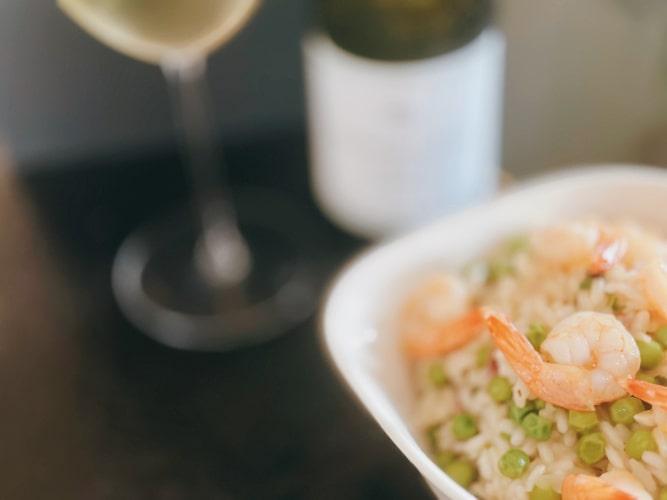
Flavour and chemical reasons for this combination
- Acidity: White wines are often characterised by their refreshing acidity, which is similar to a squeeze of lemon on a fish dish. This acidity helps to intensify the flavour of the fish while cleansing the palate for a more balanced taste experience.
- Tannins: In contrast to red wines, white wines generally contain fewer tannins, which can clash with fish flavours. Tannins tend to create metallic flavours with the iodine compounds found in fish and seafood, which is less of a problem with white wines.
- Aromatic complexity: White wines offer a broad spectrum of aromas – from fruity and floral to mineral and nutty – that complement the flavours of fish and seafood without overpowering them.
Examples of classic pairings of white wine and fish
- Sauvignon Blanc and light fish dishes: A crisp Sauvignon Blanc, for example from New Zealand, with its distinctive grassy and citrusy notes, goes perfectly with light, delicate fish dishes, especially those prepared with fresh herbs or citrus flavours. The lively acidity of the New Zealand wine harmonises with the freshness of the fish and enhances the flavour of both components.
Wine recommendations:
2022 Whitehaven Marlborough Sauvignon Blanc, Whitehaven Wines, Blenheim, Marlborough, New Zealand
2022 Seifried Classic South Sauvignon Blanc, Nelson, New Zealand
2021 Eva Pemper Sauvignon Blanc, Marlborough, New Zealand - Chardonnay and fatty fish: A rich, oak-aged Chardonnay can be the ideal accompaniment to fatty fish such as salmon or sea bass, especially when served with a creamy sauce. The buttery and vanilla notes of the wine complement the richness of the fish and create a round, full-bodied flavour experience.
Wine recommendations:
2021 Maxwell Adelaide Hills Chardonnay, Maxwell Wines, McLaren Vale, Australia
2021 Queenstone Mile Vineyard Chardonnay, Niagara, Canada
2016 Elephant Hill Chardonnay, Hawke’s Bay, New Zeland
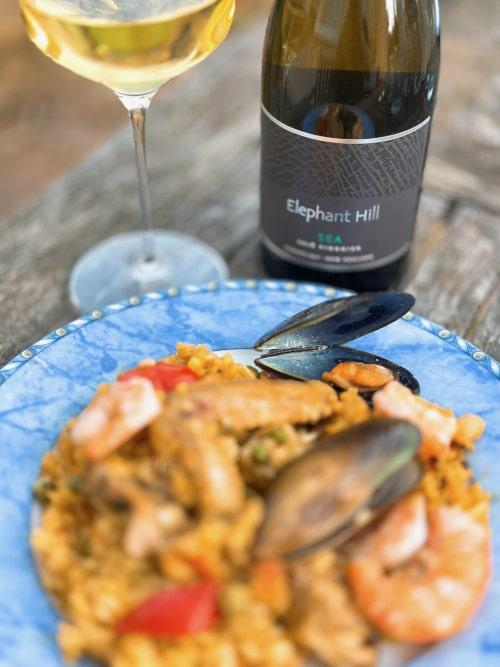
- Riesling and spicy fish dishes: A dry or slightly sweet Riesling, for example from Eden Valley, Australia, known for its fruity and floral flavours as well as its distinctive acidity, goes perfectly with spicy or sweet and sour fish dishes. The natural sweetness of Riesling can soften the spiciness of the food, while its acidity balances the flavours.
Wine recommendations:
2022 Maxwell Eden Valley Riesling, Maxwell Wines, McLaren Vale, Australia
2021 Besoain Single Vineyard Riesling, Casablanca Valley, Chile
- Pinot Grigio and seafood: This light and refreshing wine is an excellent choice for a variety of seafood, especially dishes with mussels, prawns or light fish fillets. The subtle fruit and mineral notes of Pinot Grigio from New Zealand complement the delicate sweetness of the seafood without dominating.
Wine recommendations:
2022 Mansion House Bay Marlborough Pinot Gris, Whitehaven Wines, Marlborough, New Zealand
2023 Longview Queenie Pinot Grigio, Adelaide Hills, Australia
These examples illustrate how white wine can enhance the subtle nuances of fish and seafood by complementing the flavours and creating a balanced taste experience. The ability to enhance the subtle flavours of fish dishes without overpowering them makes white wine the preferred partner and underlines the importance of choosing the right wine in the culinary art of food pairing.
Rosé and fish: how do they go together?
Rosé wine, often considered the perfect middle ground between red and white wine, offers a fascinating range of flavours and textures that make it a versatile partner for a wide range of dishes. Its suitability for fish dishes is particularly notable, as rosé combines the freshness and acidity of white wine with the fruitiness and structure of red wine. This unique combination makes rosé an exciting choice for fish lovers looking for the perfect wine.
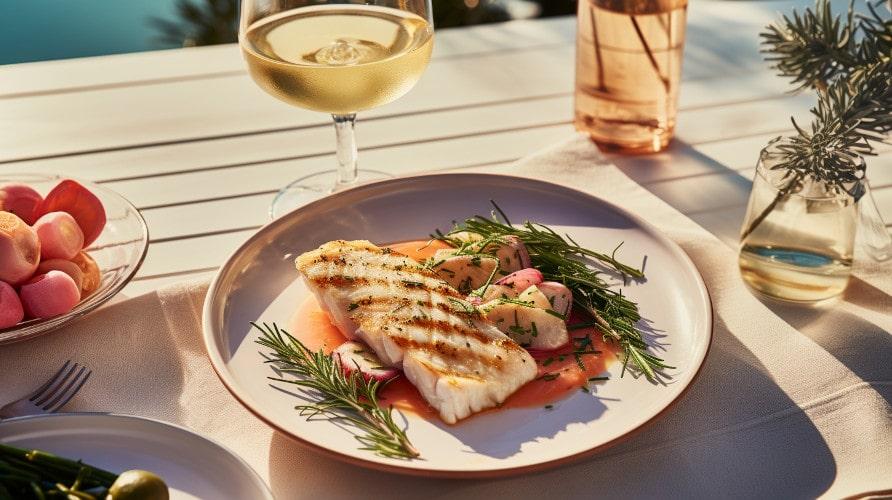
The versatility of rosé wine and its suitability for different types of fish
Rosé wines are made from a variety of grape varieties and can range from light and delicate to rich and full-bodied. This range of flavour profiles allows rosé wines to pair harmoniously with different types of fish, from light and delicate white fish to richer and oilier varieties. The key component in this pairing is the balance between the acidity of the wine and the fat content of the fish – rosé with higher acidity pairs beautifully with fattier fish as it can cut through the richness, much like lemon with salmon.
Differences in profile between lighter and stronger rosé wines
Lighter rosé wines, often from cooler wine-growing regions, are characterised by their crisp acidity and subtle, fruity aromas. They are ideal for accompanying light, delicately flavoured fish dishes or seafood. Stronger rosés, made in warmer climates or from darker grapes, offer deeper fruit flavours and a richer structure that goes well with more intense fish dishes or those with stronger sauces.
Recommendations for fish dishes that go particularly well with rosé:
- Lighter rosé wines: delicate, light-coloured rosé from New Zealand, for example, is an excellent choice for fine fish dishes. Try such a wine with pan-fried sea bass with a light lemon and dill sauce or with a selection of fresh seafood such as prawns and mussels. The freshness of the wine complements the tenderness of the fish, while its acidity brings out the flavours.
Wine recommendations:
2022 Whitehaven Marlborough Rosé, Whitehaven Wines, Marlborough, New Zealand
2021 Creekside Rosé, Creekside Estate Winery, Niagara, Canada - Medium-bodied rosé wines: These wines are great accompaniments for dishes such as grilled salmon or tuna steak. The fruitiness of the rosé can emphasise the natural sweetness of the fish, while the acidity of the wine provides a nice balance to the fattiness of the fish.
Wine recommendations:
2022 Maxwell Little Demon Rosé, Maxwell Wines, McLaren Vale, Australia - Stronger rosé wines: These are ideal for savoury or aromatic rich fish dishes. A strong rosé can complement the spices in a Moroccan fish tajine or a spicy tuna poké bowl without being overwhelmed by the flavours.
Rosé wine and fish offer an exciting pairing opportunity for those who want to go beyond traditional pairings. By experimenting with different rosé wines and fish dishes, you can discover surprising and delicious pairings that will enrich your culinary experience. The keys to a successful pairing are to consider the flavour profile of the wine as well as the type and preparation of the fish.
With this approach, rosé wines can be a wonderful complement to a variety of fish dishes, from simple, light starters to rich, flavoursome main courses.
Red wine and fish: under what conditions is this a harmonious combination?
The common perception that red wine and fish are an unsuitable combination has its roots in traditional wine and food pairing. But the culinary world is changing, and with it the rules that determine what goes together. In reality, certain red wines can provide an exquisite complement to fish dishes, provided the selection takes a few key aspects into account.
Breaking the myth: not all red wines overpower the flavour of fish
Not all red wines are rich in tannins and have a full body, characteristics that are often cited as reasons why red wine does not go well with fish. There are a variety of red wines that are light, fruity and moderately tannic, making them suitable accompaniments for fish.
The role of tannins, acidity and body of the wine when paired with fish
- Tannins: The tannins in red wine can interact with the iodine content in some types of fish, which can lead to a metallic flavour. Choosing a red wine with lower tannins, such as Pinot Noir or Gamay, can minimise this risk.
- Acidity: A red wine with higher acidity can complement the freshness of fish dishes, similar to white wine. The acidity helps to balance the fattiness of the fish and cleanse the palate.
- Body: Lighter red wines go better with fish as they do not overpower the flavour. Wines with a light to medium body offer a balanced combination.
Certain fish species and their affinity to red wine
Fish with a firm flesh and a higher fat content, such as salmon, tuna and swordfish, harmonise well with red wines. These fish can carry the structure of the wine better without losing their own flavours.
The importance of the preparation method (roasted, grilled, steamed) for the choice of wine
The way in which the fish is prepared plays a decisive role in choosing the right red wine. Grilled or fried fish with stronger flavours can stand up to the structure of a red wine, while steamed or poached fish often harmonises better with a light red wine.
Recommendations for red wines that go well with fish, with a focus on lighter and fruitier varieties
- Pinot Noir: With its fruity notes and low tannins, Pinot Noir is an excellent choice for fish dishes.
- Gamay: A light, fruity Gamay can complement the delicacy of fish dishes without dominating them.
- Beaujolais: A young Beaujolais offers freshness and a lively fruitiness that goes well with many fish dishes.
Side dishes that can build a bridge between red wine and fish
Side dishes play an important role in creating a harmonious bridge between red wine and fish. Elements such as mushrooms, lentils or root vegetables can strengthen the connection to the red wine by picking up on its earthy notes. At the same time, fresh herbs and citrus flavours in the side dish can build a bridge to the fish, creating a balanced pairing.
The combination of red wine and fish requires a certain degree of experimentation and openness. However, by taking into account the tannins, acidity and body of the wine, as well as the type of fish and how it is prepared, surprisingly harmonious and delicious pairings can be discovered.
Recipe ideas with red wine and fish
1. grilled salmon with Pinot Noir
Recipe:
- Marinate the salmon in a mixture of olive oil, lemon juice, chopped dill, salt and pepper.
- Grill the salmon over a medium heat until it is cooked through but still juicy.
Wine recommendation: A medium-bodied Pinot Noir from Canada with notes of red fruit and a fine acid structure can balance out the fattiness of the salmon and emphasise its flavours. Choose a wine that has not been matured too intensively in oak barrels in order to maintain a harmonious balance.
2018 Queenstone Mile Vineyard Pinot Noir, Niagara, Canada
2. tuna steak with Beaujolais
Recipe:
- Season the tuna steak with salt and freshly ground pepper and fry in a hot pan with a little olive oil. The centre should remain pink.
- Serve with a garnish of fresh rocket salad, garnished with a vinaigrette of olive oil, balsamic vinegar, salt and pepper.
Wine recommendation: A fruity Beaujolais, preferably a cru from one of the region’s renowned villages, complements the tuna perfectly. Its lively fruitiness and low tannins harmonise with the tenderness of the fish and the peppery flavour of the rocket.
3. swordfish in red wine sauce with light Shiraz
Recipe:
- Fry the swordfish in a pan and set aside.
- Prepare a sauce of red wine, shallots, garlic, a pinch of sugar, salt and pepper in the same pan. Reduce the sauce until it thickens and serve over the fish.
Wine recommendation: A light Shiraz from Australia with notes of dark berries and a hint of spice can complement the flavour of the sauce without dominating the taste of the swordfish. Make sure you choose a wine with a moderate alcohol content and tannin level.
2021 Longview Fresco, Longview Vineyard, Adelaide Hills, Australia
2021 Longview Vista Shiraz Barbera, Longview Vineyards, Adelaide Hills, Australia
4. roasted redfish with Gamay
Recipe:
- Season the redfish fillets with salt, pepper and a little lemon zest. Fry them in a pan with olive oil until they are golden brown and crispy.
- Serve the fish with a light salad of mixed leaf lettuce and a lemon-olive oil dressing.
Wine recommendation: A young, fruity Gamay from Canada goes perfectly with this dish. Its fresh acidity and subtle fruity flavours of cherries and berries complement the lightness and freshness of the redfish and salad.
2016 EastDell Gamay Noir, EastDell Wines, Niagara, Canada
Practical tips for preparation and wine selection:
- Temperature: Serve red wine slightly chilled (approx. 14-16 °C) to emphasise the freshness and fruitiness of the wine, especially in summer.
- Sauces: If a dish includes a red wine sauce, consider serving the same wine, or at least the same type of wine, with the food. This creates a natural harmony between the dish and the wine.
- Experimentation: Don’t be afraid to experiment with different types of red wine and fish. The variety of flavour profiles in both categories offers endless possibilities for creative pairings.
These recipe ideas and tips show that red wine and fish can be a harmonious and delicious combination if you choose your wine carefully and consider the way the fish is prepared.
Conclusion
Exploring wine and food pairing, particularly the bold pairing of red wine with fish, opens the door to a world of culinary discovery. Not only has this discussion challenged some traditional assumptions, but it has also shown that the rules of wine and food pairing are more flexible than you might think. By taking into account factors such as tannins, acidity, the body of the wine as well as the type of fish and how it is prepared, surprisingly harmonious and delicious combinations can be discovered.
Summary of the findings
- Not all red wines overpower the flavour of fish. Light and medium-bodied red wines with low tannins and high acidity can be an exquisite accompaniment to a variety of fish dishes.
- Choosing the right red wine depends on several factors. This includes the type of fish, how it is prepared and the side dishes chosen. Fish types with a firmer flesh and a higher fat content as well as stronger preparation methods tend to harmonise better with red wine.
- Experimentation leads to new flavour experiences. By trying out different combinations, individual preferences can be better understood and new favourite pairings discovered.
The traditional view that fish should be paired exclusively with white wine is being challenged by the diversity and flexibility of the wine world. Lighter red wines, especially those with a fruity profile and moderate tannins, have proven their place alongside fish dishes. The right pairing depends on a careful consideration of the characteristics of the wine and the flavour profile of the fish dish.
The journey of discovery into the world of wine and food pairings should be guided by curiosity and a willingness to experiment. A willingness to question traditional rules and think outside the box can lead to unexpectedly harmonious and enriching culinary experiences. We encourage readers to experiment with different red wines and fish dishes to discover their own unique and delicious combinations.
Ultimately, the art of food and wine pairing is a personal journey that is as unique as each individual’s taste. Experimenting and exploring new pairings will not only broaden your culinary understanding, but also deepen your enjoyment of food and drink. So, open a bottle of red wine, prepare your favourite fish dish and discover the joys that lie in this unconventional but potentially wonderful pairing.
FAQs: Wine and fish pairings
Pairing wine and fish often raises questions, especially when it comes to choosing the right wine. Here are answers to some frequently asked questions that shed light on common misconceptions and offer practical advice for successful pairings.
Can you serve red wine with fish?
Yes, you can definitely serve red wine with fish, but choosing the right red wine is crucial. Light to medium-bodied red wines with a low tannin content and a certain acidity are often the best accompaniments. Varieties such as Pinot Noir, Gamay or lighter versions of Merlot can make a harmonious pairing, especially with fish dishes with stronger flavours or when prepared with red sauces.
Which wine goes best with fatty fish such as salmon or tuna?
Fatty fish such as salmon or tuna can carry the structure of a wine well, making both white wines with richer flavours and light to medium-bodied red wines suitable candidates. For white wine, these would be full-bodied varieties such as Chardonnay or Viognier. For red wines, varieties such as Pinot Noir or a young, fruity Beaujolais are recommended, which balance out the fattiness of the fish without dominating.
Which wine is suitable for light and delicate fish dishes?
Fresh, light white wines are generally best suited to light and delicate fish dishes such as brine or flounder. A crisp Sauvignon Blanc, a delicate Pinot Grigio or a mineral Chablis can emphasise and complement the delicate flavours of the fish without overpowering them.
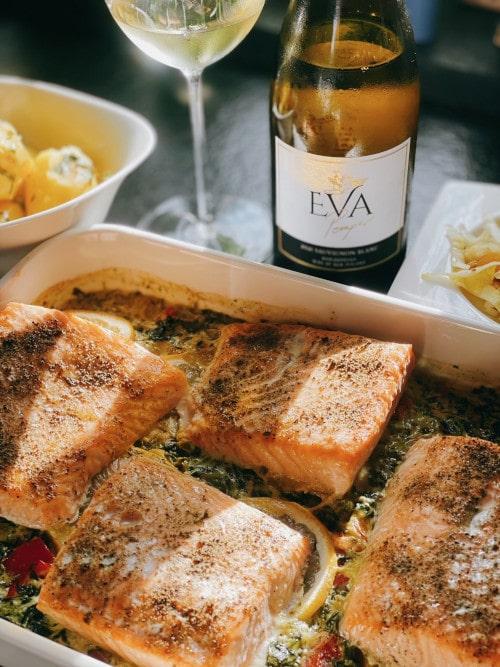
How does the way the fish is prepared influence the choice of wine?
The way in which the fish is prepared is crucial when choosing the right wine. Grilled or fried fish with a caramelised crust can harmonise wonderfully with a light red wine or a stronger white wine. Steamed or poached fish, which is more delicate and subtle in flavour, requires a delicate white wine that does not mask the subtleties of the fish.
Can the same wine be used to prepare the fish dish and as an accompaniment?
Yes, the same wine can be used both in the preparation of the fish dish and as an accompaniment, and this is even recommended to create a consistent flavour bridge between the dish and the drink. For example, if a risotto is prepared with white wine, the same wine can also serve as an accompaniment to the meal to enhance the harmony of flavours.
What role do side dishes play in the choice of wine?
Side dishes can significantly influence the choice of wine, as they often form flavour bridges between fish and wine. Rich, buttery sauces or savoury condiments may require a fuller-bodied wine, while light, citrus-based or herbaceous accompaniments call for a fresh, acidic wine. It’s important to consider the entire flavour profile of the dish, including the accompaniments, to find the ideal wine pairing.
These FAQs provide an overview of the most important considerations when pairing wine and fish. However, the most important thing is not to be too constrained by rigid rules and to be open to experimenting to discover your own perfect pairings.
